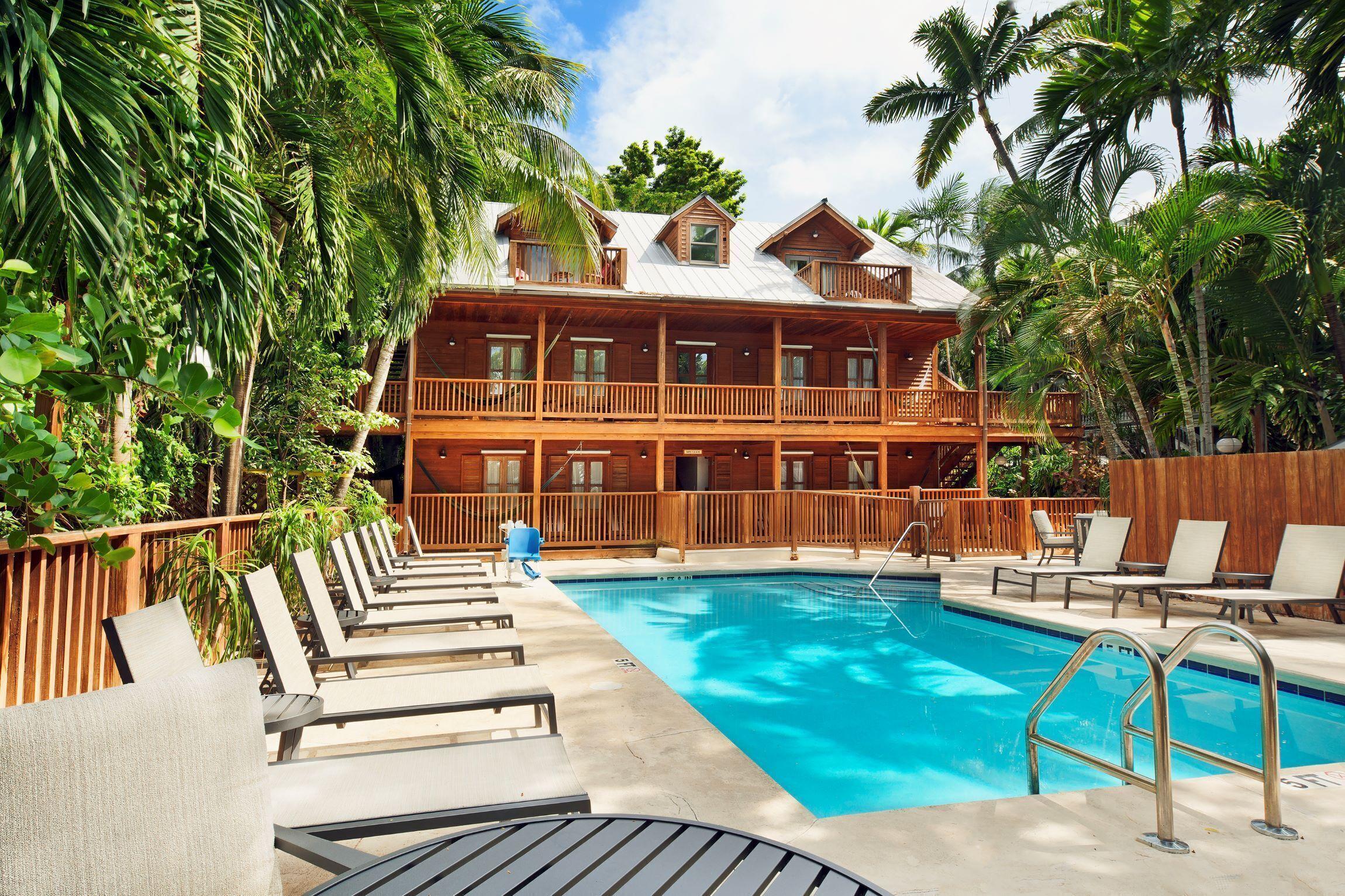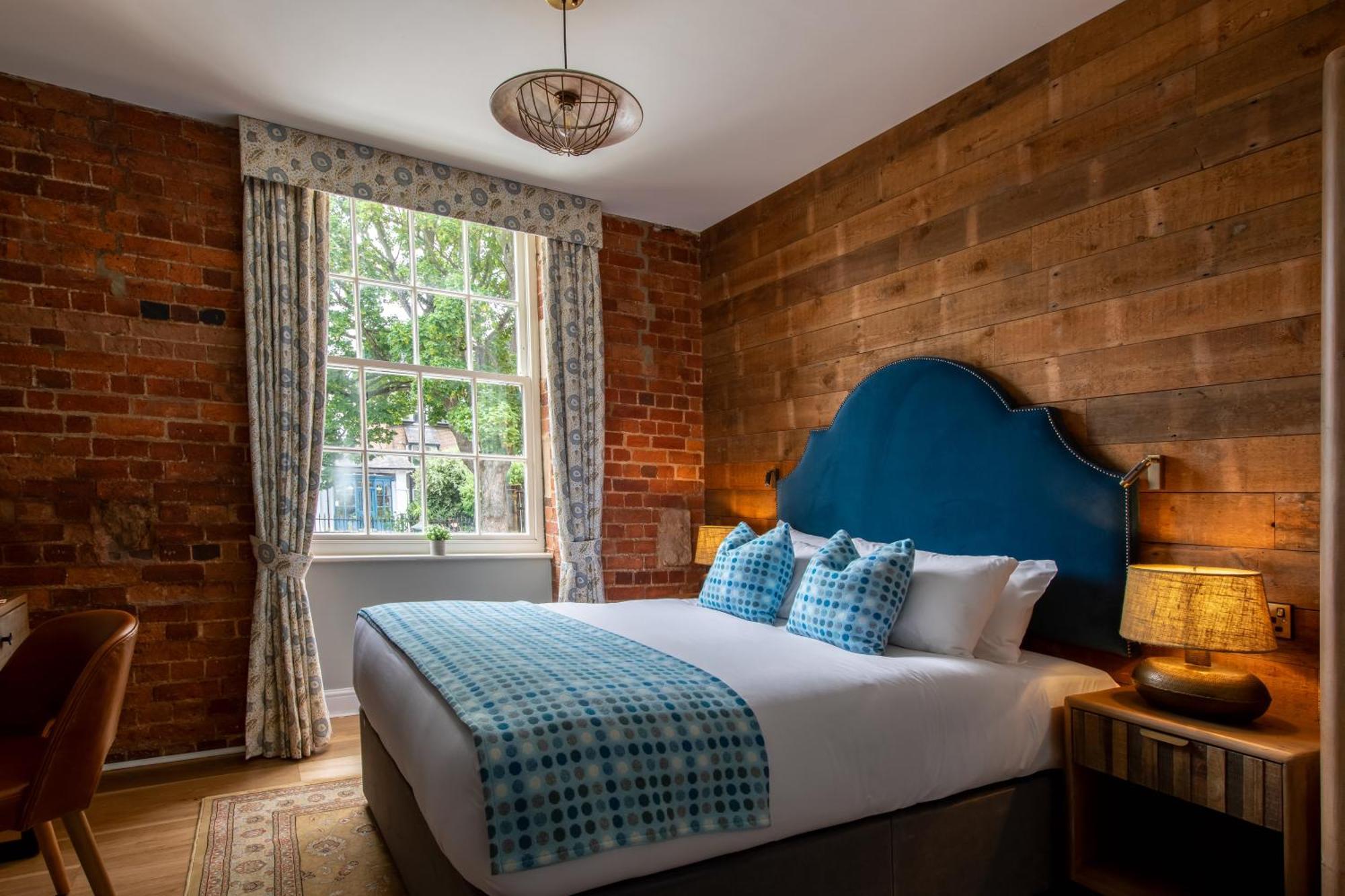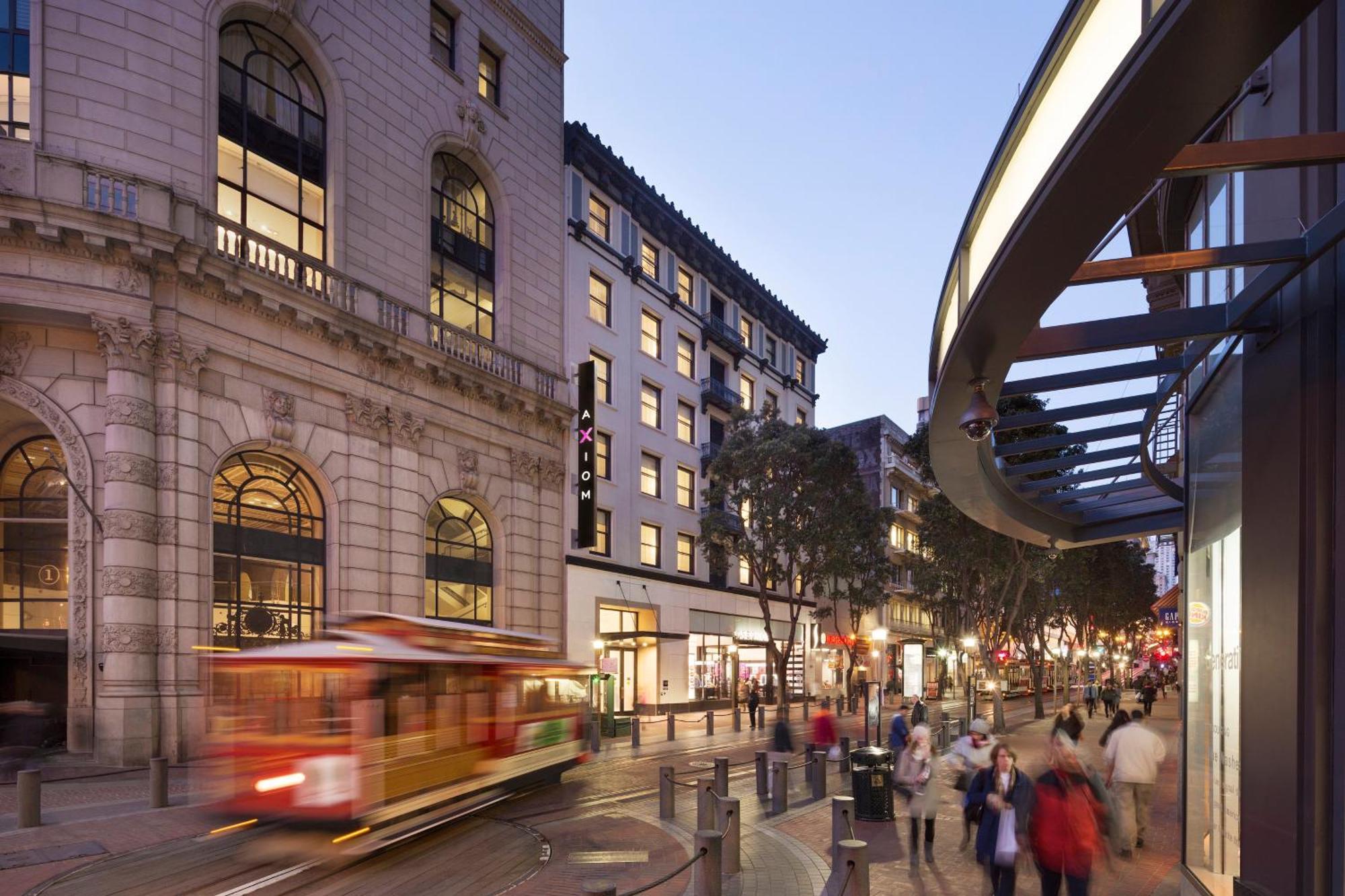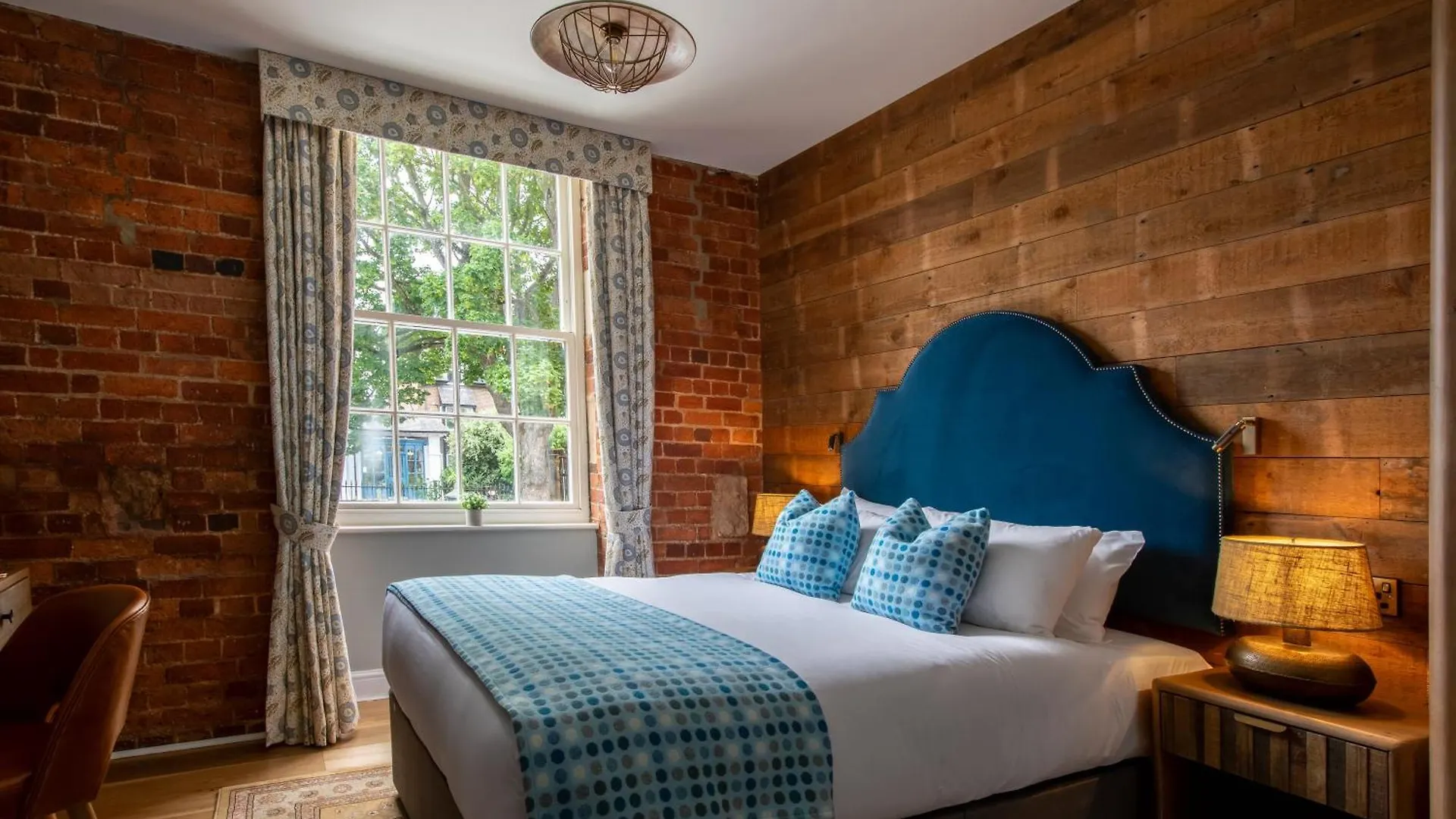
Oxford City Centre concentrates an unusual density of architecturally significant buildings, cobbled lanes, and centuries-old university colleges within a walkable core - which makes the choice of hotel not just a comfort decision, but a design one. The four hotels covered in this guide range from a 17th-century coaching inn opposite Magdalen College to a High Street property filled with contemporary art and marble bathrooms, each occupying a distinct position in the city's historic fabric. Whether you're drawn to riverside terraces, period features with modern interiors, or direct access to Oxford's theatre district, this guide gives you the specific location, style, and practical context to book with confidence.
What It's Like Staying in Oxford City Centre
Oxford City Centre is compact enough that most major attractions - the Bodleian Library, the Ashmolean Museum, the covered market, and the majority of the 38 university colleges - sit within a 15-minute walk of each other. No car is needed, and most design hotels here are positioned so that the main sights are genuinely reachable on foot without navigating busy roads or unreliable bus routes. That said, the centre draws heavy foot traffic during university events, graduation ceremonies in June, and the Christmas market season, which means noise levels and street congestion can be significant, especially along High Street and Cornmarket.
Staying in the city centre also means absorbing the architectural atmosphere directly - spired skylines visible from upper-floor windows, proximity to the Thames and Cherwell rivers, and the kind of urban density where a bookshop, a 13th-century college gate, and a craft ale pub can all sit within the same block. Crowds peak noticeably during summer weekends when tourist volumes combine with events at the Oxford Playhouse and New Theatre, so guests who prefer quieter surroundings may want to consider whether a Friday or Saturday check-in suits their stay.
Pros:
- Walking access to Oxford's colleges, museums, and riverside punting without any transport dependency
- Central position means early morning and late evening exploration of the city before and after tourist crowds
- Dining, theatre, and shopping options within minutes, reducing time lost to logistics
Cons:
- Weekend foot traffic and events on High Street and Cornmarket can make the immediate surroundings genuinely loud
- Parking in the city centre is heavily restricted - driving guests face significant additional cost and inconvenience
- Premium location pricing means rooms here typically cost more than equivalent properties 10 minutes outside the centre
Why Choose Design Hotels in Oxford City Centre
Design hotels in Oxford City Centre occupy a category that makes particular sense here because the built environment itself is part of the product - staying in a converted 17th-century coaching inn or an art-filled former bank is a qualitatively different experience from a chain property on the ring road. These hotels typically integrate original period architecture with deliberate interior curation: exposed stonework, individually styled rooms, contemporary art collections, and considered restaurant concepts that serve as destinations in their own right, not just hotel dining. That level of character costs more, with design-led properties in the centre generally running higher per night than standardised accommodation on the outskirts, but the trade-off is proximity and atmosphere that a budget stay simply cannot replicate.
Room sizes in Oxford's historic centre are often constrained by the buildings themselves - centuries-old structures were not designed with hotel ergonomics in mind, so some rooms will be smaller than equivalent price points in newer builds. What design hotels here offer instead is attention to detail: marble bathrooms, curated artwork, quality linens, and views of colleges or the river that add genuine context to the stay. Around 10 minutes on foot separates most of these properties from Oxford's main rail station, which makes arriving without a car entirely practical.
Pros:
- Architecturally significant buildings with interiors that reflect Oxford's historic identity rather than generic hospitality branding
- On-site restaurants at several properties double as quality dining destinations used by locals, not just hotel guests
- Central positioning removes the need for taxis or buses to reach the main sights, saving both time and daily transport costs
Cons:
- Room sizes in historic buildings can be smaller than expected for the price point - confirm room dimensions before booking
- Noise from street-level activity, particularly on High Street-adjacent properties, can affect lighter sleepers
- Limited or no on-site parking at most city-centre design hotels - not practical for road-trip itineraries
Practical Booking & Area Strategy for Oxford City Centre
Oxford High Street and its immediate side streets - Merton Street, Oriel Street, and the area around Magdalen Bridge - represent the most architecturally dense and visitor-relevant part of the centre. Hotels positioned here put guests within steps of Merton College, the Botanic Garden, and the Cherwell riverbank, with the Bodleian and Radcliffe Camera reachable in under 10 minutes on foot. George Street, to the northwest of the centre, sits closer to the Oxford New Theatre, Ashmolean Museum, and the Gloucester Green bus station, making it strategically useful for guests arriving by National Express coach from London. Both zones are walkable from Oxford rail station, which connects to London Paddington in around an hour - making train arrival the most practical option for most visitors.
Booking strategy in Oxford should account for the university calendar: graduations in late June, open days in autumn, and major events at the Sheldonian Theatre regularly spike hotel demand and push prices upward across the board. The Christmas market period, typically running through late November and into December, also generates significant demand. Booking at least 6 weeks in advance for summer stays is strongly advisable for design hotels in the centre, as inventory is limited and the best room categories sell out early. For off-peak visits - January through March, excluding half-term - rates are considerably lower and the city's streets are genuinely quieter, allowing a more immersive experience of the colleges and museums without the summer crowd pressure.
Best Value Design Stays
These properties deliver strong design character and central positioning at price points that justify their Oxford City Centre location without requiring a premium-tier budget.
-
1. Head Of The River
Show on map


 Check-infrom 15:00 until 22:00Check-outfrom 07:00 until 11:00
Just a few rooms left at the best rate!
from£ 155
-
2. The George Street Hotel
Show on map


 Check-infrom 15:00 until 22:00Check-outfrom 05:00 until 11:00
Just a few rooms left at the best rate!
from£ 117
Best Premium Design Stays
These two properties represent Oxford City Centre's most architecturally and aesthetically distinctive hotel experiences, each with a specific historic identity, curated interiors, and on-site dining that sets them apart from the broader market.
-
3. Old Bank Hotel
Show on map


 Check-infrom 15:00 until 23:59Check-outfrom 06:00 until 11:00
Hurry – almost gone at this price!
from£ 139
-
4. Mercure Oxford Eastgate Hotel
Show on map


 Check-infrom 14:00 until 23:59Check-outuntil 12:00
Rooms filling fast – secure the best rate!
from£ 59
Smart Travel & Timing Advice for Oxford City Centre
Oxford's city centre hotel market operates on a demand cycle that tracks closely with the university academic calendar and seasonal tourism. The busiest and most expensive period runs from late May through August, when graduation ceremonies, summer school programmes, and peak tourist arrivals all overlap - room rates at design hotels during this window can be significantly higher than in winter, and availability at character properties shrinks fast. Early September offers a useful window: tourist volumes begin to drop, the university term has not yet fully resumed, and the weather remains reasonable for walking the colleges and riverbanks. January through March is the quietest stretch, with lower rates and genuinely emptier streets, though some outdoor spaces and terraces - including riverside terraces like that at Head of the River - are weather-dependent.
For a city of Oxford's scale, most visitors find that 2 nights is the practical minimum for covering the main colleges, museums, and at least one evening in the city's pubs and restaurants without feeling rushed. A 3-night stay allows for a day trip to the Cotswolds villages by car or bus, which are within around 30 kilometres of the city centre. Book design hotels at least 8 weeks ahead for any stay coinciding with university open days, graduation weeks, or the Christmas market - these events generate city-wide demand that affects even the mid-range and premium market simultaneously. Last-minute availability does sometimes appear midweek in low season, but for design-led properties with limited room counts, this is not a reliable strategy.