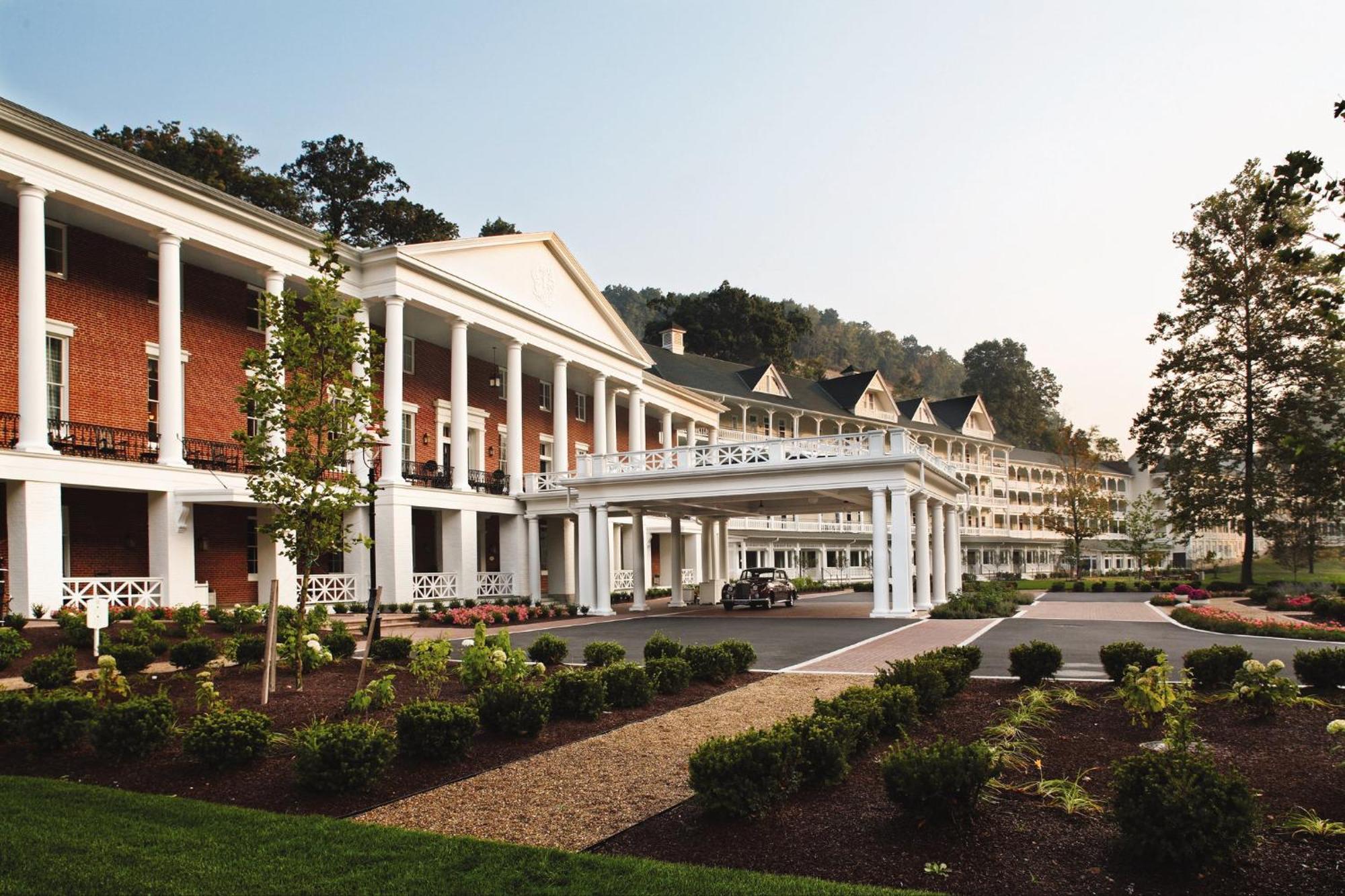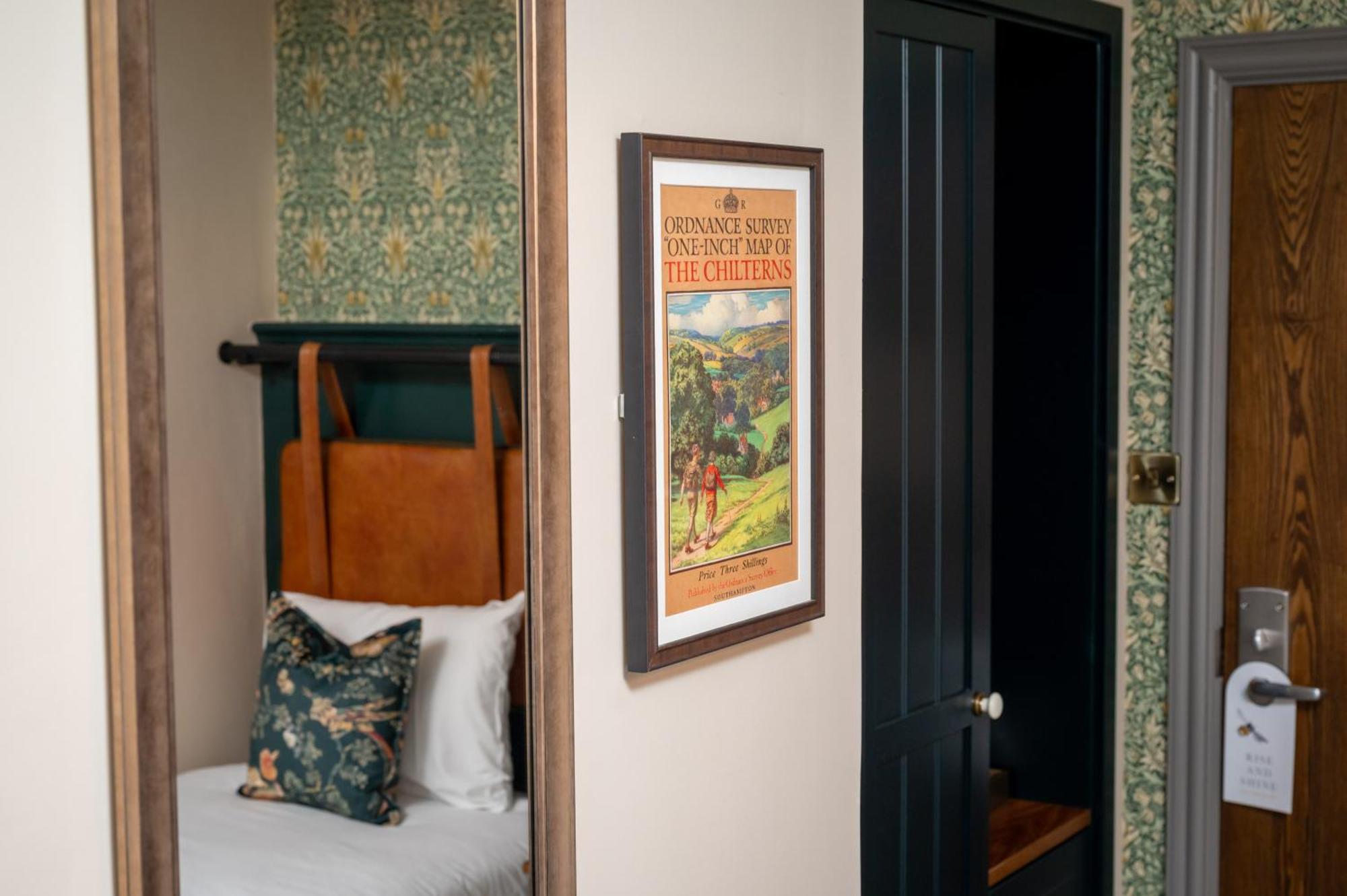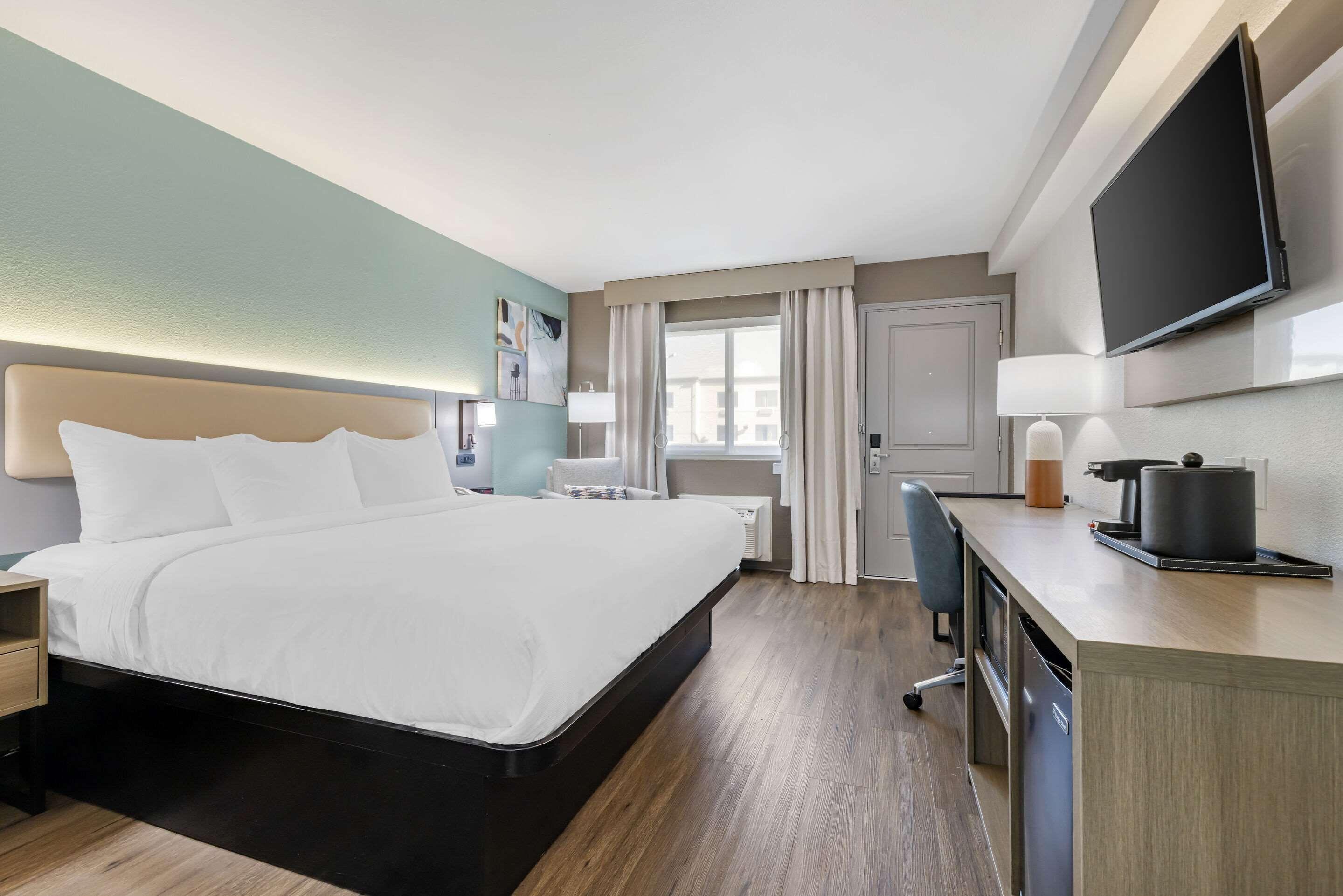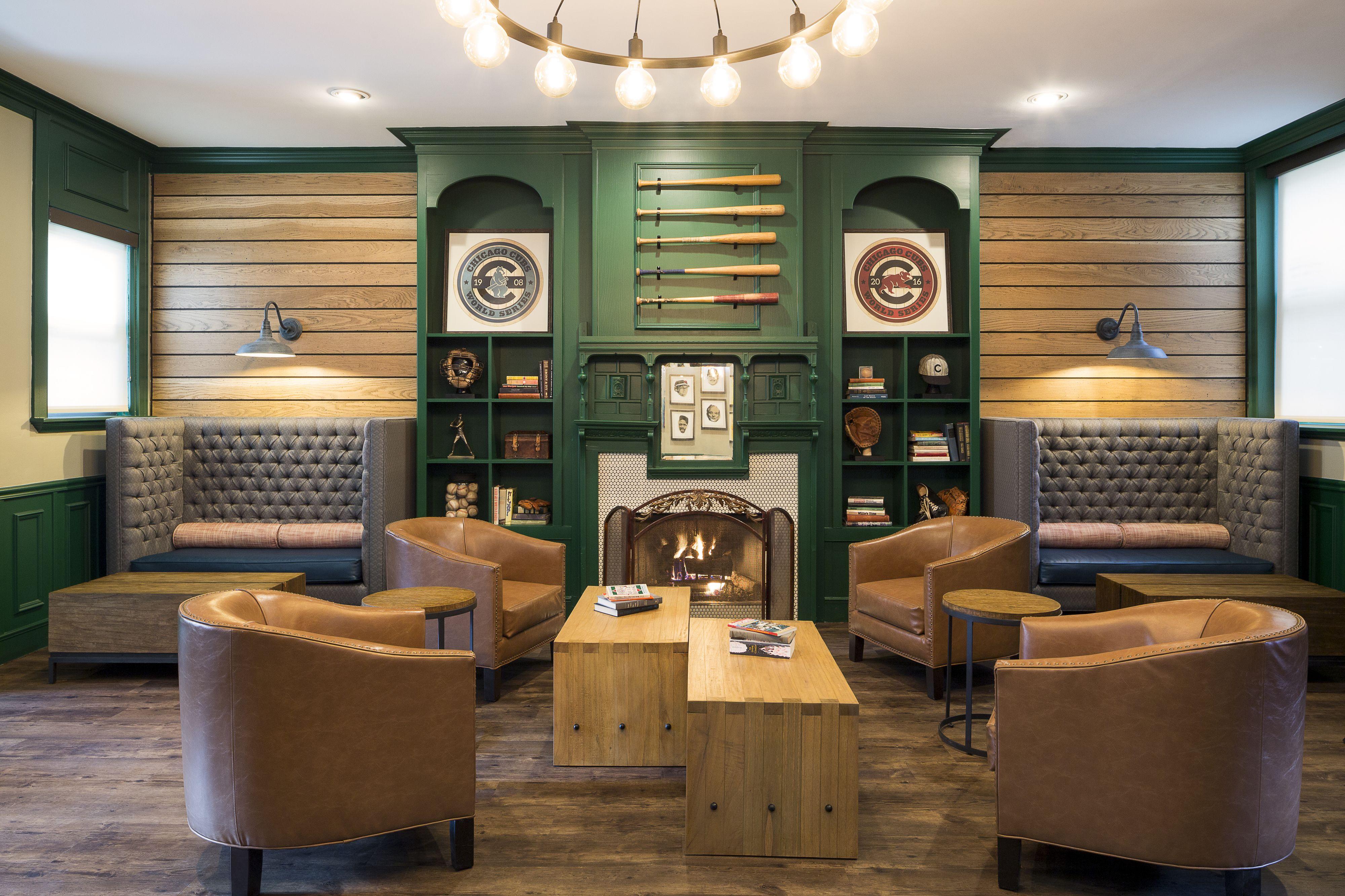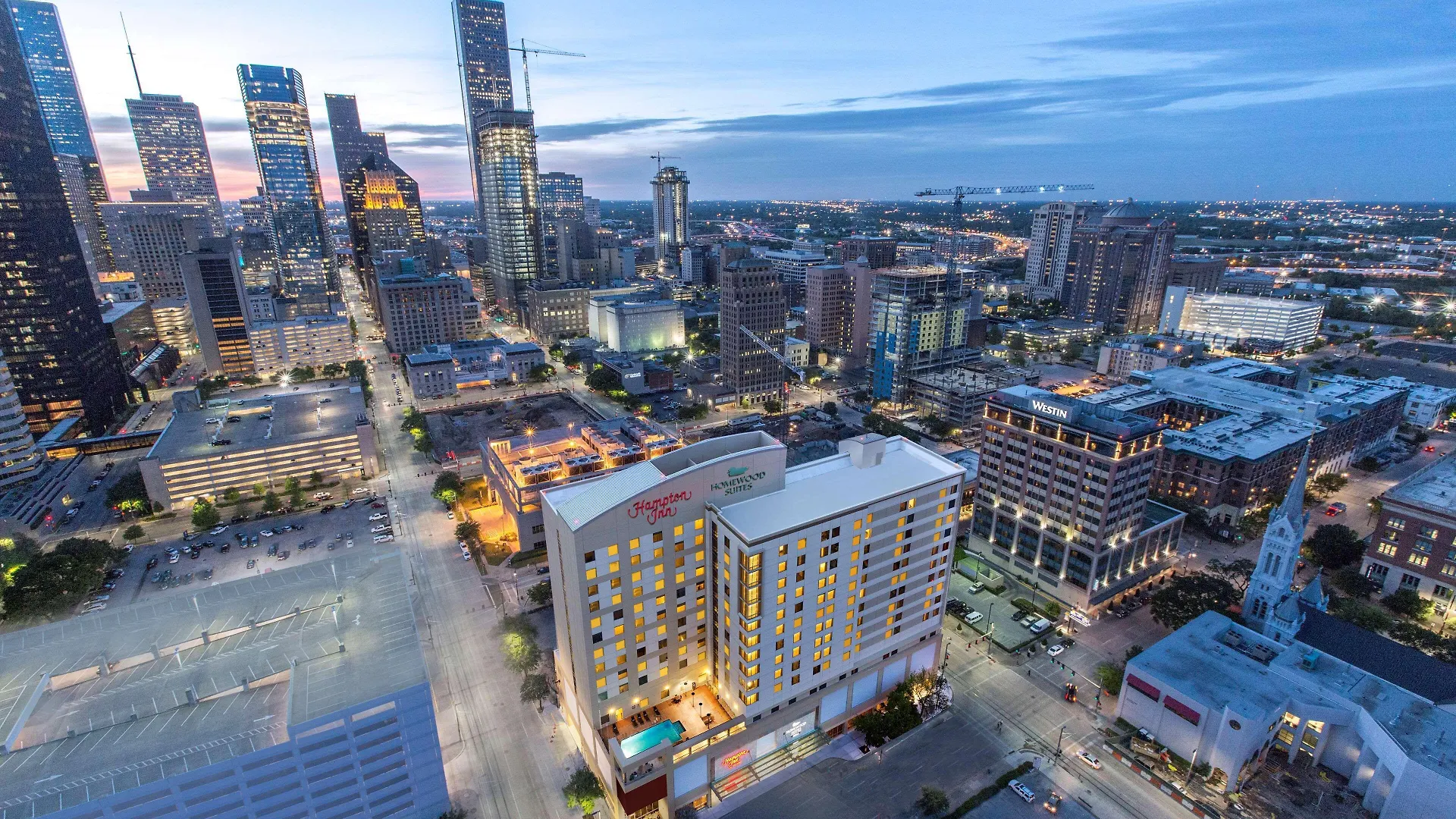
Downtown Houston packs more architectural contrast into a few city blocks than most American downtowns manage across entire neighborhoods. The financial district's glass towers sit minutes from Beaux-Arts facades, bayou-side green spaces, and one of the country's most extensive underground pedestrian networks. These five design-forward hotels sit at the center of it all - each with a distinct character worth comparing before you book.
What It's Like Staying in Downtown Houston
Downtown Houston is a district that rewards hotel guests who plan around its rhythms. On weekdays, the financial core hums with convention traffic, stadium events at Minute Maid Park and Toyota Center, and lunch-hour crowds flowing through the underground tunnel system - a 6.5-mile network of air-conditioned passages connecting over 95 city blocks. After 6 p.m., street activity drops sharply outside event nights, which means hotel-side dining and bars carry more weight than in other major downtown districts. The light rail runs along Main Street and connects you to the Museum District and Midtown without needing a car, which significantly changes how useful a central address actually is.
Pros:
- Direct tunnel access from several hotels keeps you shaded and connected to offices, parking, and dining year-round
- Walking distance to Toyota Center, Minute Maid Park, Discovery Green, and the Theater District makes event nights logistically seamless
- The METRORail Red Line runs through the core, giving car-free access south to NRG Stadium and north to Midtown
Cons:
- Street-level activity drops significantly on weekday evenings and weekends outside event schedules
- Houston's summer heat - routinely above 95°F - makes outdoor walking between attractions genuinely taxing without tunnel access
- Parking structures add cost and navigational friction for guests arriving by car during convention or game-day periods
Why Choose Design Hotels in Downtown Houston
Design-focused hotels in Downtown Houston tend to occupy either historic buildings repurposed with curated interiors or newer high-rises where architecture and room fit-out are central to the rate premium. What separates them from standard chain hotels in the same blocks is the deliberate attention to spatial experience - lobbies that function as social hubs, room layouts that feel considered rather than formulaic, and brand stories tied to Houston's own cultural and commercial history. Rates at design-forward properties here typically run around 25% higher than standard three-star options in the same zip code, but they usually include amenities - rooftop pools, curated F&B, shuttle access - that offset the gap for guests spending multiple nights.
Pros:
- Design hotels in Downtown Houston frequently occupy signature buildings with genuine architectural identity, not generic tower footprints
- On-site restaurants and bars in these properties are often destination-worthy in their own right, reducing the need to leave post-event
- Room amenities - 55-inch screens, work desks, full kitchen setups in extended-stay formats - cater to both leisure and business use without compromise
Cons:
- Design hotels in this district rarely discount deeply, even during low-occupancy weekends when standard hotels drop rates aggressively
- Some properties charge separately for parking and WiFi, which erodes the perceived value at higher nightly rates
- Room sizes in historic conversion buildings can be tighter than expected given the premium positioning
Practical Booking & Area Strategy
The strongest hotel positioning in Downtown Houston clusters along Dallas Street, Louisiana Street, and Smith Street - all within the financial district's tunnel-connected core and within a 10-minute walk of Discovery Green and the George R. Brown Convention Center. Hotels on the eastern edge of downtown near Minute Maid Park benefit from baseball and concert traffic but face higher noise exposure on event nights. The Theater District along Texas Avenue adds cultural access but sits slightly further from the tunnel network. If you're attending a convention at the George R. Brown, proximity on the south side of downtown cuts your commute to under 5 minutes on foot. Book at least 6 weeks ahead during the Houston Livestock Show and Rodeo (February-March), major NBA or MLB playoff schedules, and large convention windows - these windows push occupancy to near capacity and push rates at design properties especially hard. The METRORail stop at Main Street Square puts most of the downtown hotel cluster within a single stop of Midtown's restaurant scene, which partially compensates for the quieter downtown evenings.
Best Value Design Stays
These properties deliver strong design credentials and key amenities at rates that stay competitive within the Downtown Houston market, particularly for guests prioritizing location efficiency and included features over premium room size.
-
1. Hampton Inn Houston Downtown
Show on map


 Check-infrom 15:00 until 23:59Check-outuntil 11:00
Just a few rooms left at the best rate!
fromUS$ 144
-
2. Homewood Suites By Hilton Houston Downtown
Show on map


 Check-infrom 15:00 until 23:59Check-outuntil 11:00
Just a few rooms left at the best rate!
fromUS$ 137
-
3. Cambria Hotel Houston Downtown Convention Center
Show on map


 Check-infrom 15:00 until 23:59Check-outuntil 11:00
Hurry – almost gone at this price!
fromUS$ 102
Best Premium Design Stays
These two properties sit at the upper end of the Downtown Houston design hotel spectrum, distinguished by architectural identity, elevated F&B, and location-specific amenities that justify the rate premium for guests staying more than two nights.
-
4. Magnolia Hotel Houston, A Tribute Portfolio Hotel
Show on map


 Check-infrom 16:00 until 23:59Check-outuntil 11:00
Hurry – almost gone at this price!
fromUS$ 98
-
5. C. Baldwin, Curio Collection By Hilton
Show on map


 Check-infrom 15:00 until 23:59Check-outuntil 12:00
Rooms filling fast – secure the best rate!
fromUS$ 89
Smart Travel & Timing Advice for Downtown Houston
Downtown Houston runs on a convention and events calendar that directly controls hotel rates and availability. The Houston Livestock Show and Rodeo (late February through mid-March) is the single largest pressure point - properties fill weeks out and design hotels at this level see rates climb steeply. Major NBA playoff runs at Toyota Center and MLB postseason at Minute Maid Park create shorter but intense demand windows, often with less than two weeks' notice. The quietest windows for downtown hotel rates fall in August and early September - Houston's heat peaks here, street activity is minimal outside air-conditioned venues, but rates drop noticeably and availability opens up. A stay of around 3 nights gives enough time to use the area efficiently without fighting the rhythm of a district that activates unevenly. Last-minute bookings work in low season but carry real risk during any convention overlap - the George R. Brown Convention Center hosts over 200 events annually, and even mid-sized conferences can absorb inventory across the entire downtown cluster within days of announcement.