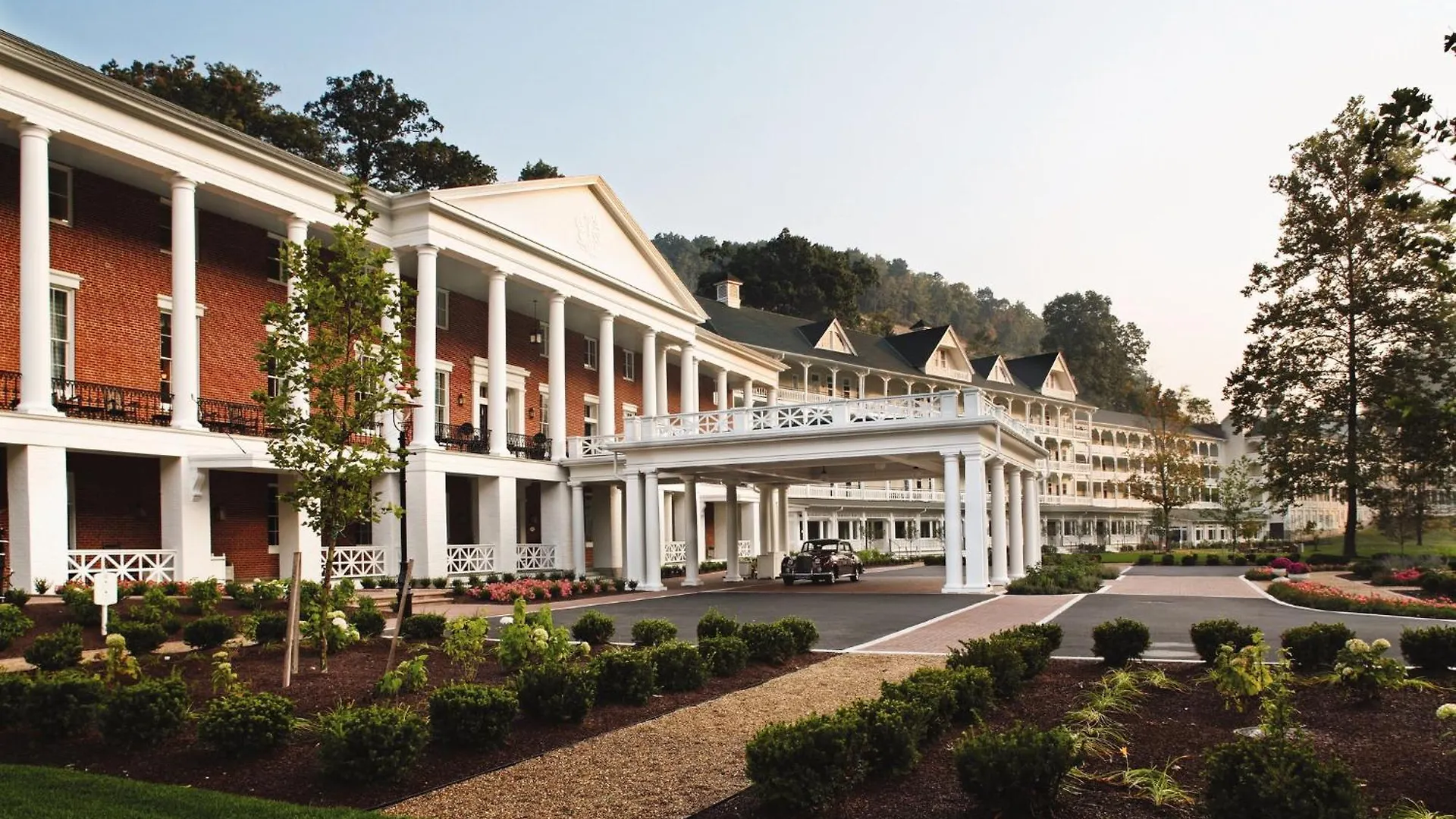
The Appalachian Mountains stretch over 2,400 kilometers across 14 states, from Alabama to Maine, offering one of the most diverse and scenically dramatic backdrops for a hotel stay in the United States. Unlike urban hotel districts, design-forward stays here are scattered across mountain towns, ski resort corridors, and river valleys - each with its own architectural identity rooted in local materials, landscape views, and regional culture. This guide covers 15 exceptional design hotels across the Appalachian range, from Pennsylvania and Maryland to Vermont, New York's Catskills, and the Blue Ridge of North Carolina, helping you match the right property to your travel style, season, and location strategy.
What It's Like Staying in the Appalachian Mountains
Staying in the Appalachian Mountains means trading urban convenience for immersive natural surroundings - most properties are positioned along scenic byways, near trailheads, ski areas, or river corridors rather than in dense city centers. Car travel is essential throughout the region; public transport between mountain towns is virtually nonexistent, and driving distances between attractions can easily exceed 50 kilometers. Crowds peak sharply during fall foliage season (October) and summer weekends, particularly near popular access points like Asheville, NC, the Catskills, and the Pocono Mountains, while mid-week stays offer noticeably quieter conditions.
Hikers, skiers, couples on retreat, and road-trippers benefit most from basing themselves here, while travelers who rely on walkability or nightlife will find the pace rural and limited. The region rewards those who plan around specific outdoor experiences rather than those seeking dense sightseeing itineraries.
Pros:
- Direct access to Appalachian Trail segments, ski resorts, and Blue Ridge Parkway scenic drives without needing a secondary transfer
- Significantly lower hotel rates compared to equivalent mountain destinations in Colorado or New England ski towns
- Mountain stays across multiple states on a single road trip, enabling diverse scenery within one journey
Cons:
- No reliable public transit between towns - a rental car is non-negotiable for most itineraries
- Restaurant and retail options near many properties are sparse, requiring advance planning for meals
- Cell service and internet reliability drop significantly in remote valley and ridge locations
Why Choose Exceptional Design Hotels in the Appalachian Mountains
Exceptional design hotels in the Appalachian Mountains distinguish themselves not through urban luxury clichés but through architectural responses to the landscape itself - think cathedral ceilings with exposed timber, mountain-view terraces, hot spring baths, and interiors that use dark wood, stone, and regional craft materials. These properties typically cost around 40% more than standard chain hotels in the same towns, but the trade-off is a physically immersive stay where the building itself is part of the experience. Room sizes tend to be generous compared to city hotels, with many offering balconies, fireplaces, or private terraces that face ridgelines or forest canopies directly.
Unlike budget chains clustered near interstate exits, design-forward properties in this region are often resort-format, meaning on-site dining, spa facilities, and activity programming reduce the need to drive out for every meal or experience. Spa and wellness infrastructure is a standout differentiator in this category - several properties include hot spring access, full-service spas, and indoor heated pools unavailable at standard accommodation. The main trade-off is that some of these hotels are remote enough to require fully self-contained itinerary planning.
Pros:
- Architecturally distinctive rooms with mountain-view balconies, fireplaces, and locally-sourced design materials not found in standard chain hotels
- On-site resort amenities (spas, multiple restaurants, pools) minimize reliance on sparse local dining and activity infrastructure
- Many properties sit within minutes of major trail systems, ski areas, or state parks, maximizing outdoor access from your base
Cons:
- Premium pricing during peak foliage and ski seasons can push nightly rates significantly higher than regional averages
- Remote resort locations mean limited flexibility if you want spontaneous dining or cultural experiences outside the property
- Seasonal closures or limited winter/summer operating hours affect some pools and outdoor amenities
Practical Booking & Area Strategy for the Appalachian Mountains
The Appalachian Mountain region divides into distinct travel corridors, each with its own character and best-positioned base towns. In Pennsylvania, Bedford and Harrisburg anchor the central ridge corridor with access to historic sites and resort spas. Further north, Wilkes-Barre and Corning (NY) sit along the northeastern Appalachian fringe, well-positioned for Finger Lakes day trips. The Catskills cluster around Hunter and the Monticello area, offering the densest concentration of design-forward stays within a 2.5-hour drive from New York City. In the South, Waynesville and Franklin (NC) serve as low-key gateways to the Blue Ridge Parkway and Great Smoky Mountains, while Morristown (TN) connects to the Tennessee Valley corridor.
Book at least 6 weeks ahead for October foliage weekends - occupancy across the entire mountain corridor reaches near-capacity, and design hotel inventory is limited. For ski season access near Vermont's Okemo Mountain or North Carolina's Cataloochee, proximity matters: properties within 10 kilometers of a ski area base save around 30 minutes of daily driving each way on icy mountain roads. The Appalachian Trail passes through or near many of these towns, making Hagerstown (MD), Harpers Ferry (WV vicinity), and the western North Carolina towns popular with thru-hiker support travelers and long-weekend trekkers. For the best price-to-experience ratio, target shoulder seasons: late April through May and mid-September before peak foliage deliver quieter trails, open facilities, and lower rates.
Best Premium Design Stays
These properties lead on architectural character, resort-scale amenities, and landscape integration - best suited for travelers who want the Appalachian environment to be central to their stay, not just a backdrop.
-
1. Omni Bedford Springs Resort & Spa
Show on map


 Check-infrom 16:00 until 23:59Check-outuntil 11:00
Best price guarantee
fromUS$ 146
-
2. The Pointe At Castle Hill Resort & Spa
Show on map


 Check-infrom 15:00 until 23:59Check-outuntil 11:00
Hurry – almost gone at this price!
fromUS$ 206
-
3. The Kartrite Resort And Indoor Waterpark
Show on map


 Check-infrom 16:00 until 23:59Check-outuntil 11:00
Best price guarantee
fromUS$ 314
-
4. Scribner'S Catskill Lodge, A Member Of Design Hotels
Show on map


 Check-infrom 16:00 until 23:30Check-outfrom 07:00 until 11:00
Just a few rooms left at the best rate!
fromUS$ 255
-
5. Mohegan Pennsylvania Casino Resort - Adults Only
Show on map


 Check-infrom 16:00 until 23:59Check-outfrom 06:00 until 11:00
Best price guarantee
fromUS$ 106
-
6. The Springs Motel
Show on map


 Check-infrom 16:00 until 20:00Check-outuntil 11:00
Rooms filling fast – secure the best rate!
fromUS$ 212
Best Value Design Stays
These properties deliver strong design character, strategic Appalachian locations, and practical amenities at rates that make multi-night stays financially accessible - without sacrificing the regional experience.
-
7. Staybridge Suites Corning By Ihg
Show on map


 Check-infrom 15:00 until 23:59Check-outuntil 12:00
Best price guarantee
fromUS$ 93
-
8. Radisson Hotel Corning
Show on map


 Check-infrom 16:00 until 23:59Check-outuntil 11:00
Just a few rooms left at the best rate!
fromUS$ 138
-
9. Holiday Inn Express - Cortland By Ihg
Show on map


 Check-infrom 15:00 until 23:59Check-outuntil 11:00
Hurry – almost gone at this price!
fromUS$ 349
-
10. Best Western Plus Morristown Conference Center
Show on map


 Check-infrom 15:00 until 23:59Check-outuntil 11:00
Just a few rooms left at the best rate!
fromUS$ 124
-
11. Microtel Inn & Suites By Wyndham Hagerstown By I-81
Show on map


 Check-infrom 15:00 until 23:59Check-outuntil 11:00
Best price guarantee
fromUS$ 73
-
12. Motel 6 Hagerstown Md
Show on map


 Check-infrom 15:00 until 23:59Check-outuntil 11:00
Rooms filling fast – secure the best rate!
fromUS$ 55
-
13. Days Inn By Wyndham Harrisburg North
Show on map


 Check-infrom 15:00 until 23:59Check-outuntil 11:00
Best price guarantee
fromUS$ 77
-
14. Days Inn By Wyndham Waynesville Nc
Show on map


 Check-infrom 16:00 until 21:00Check-outfrom 11:00 until 12:00
Best price guarantee
fromUS$ 60
-
15. Hampton Inn Franklin, Nc
Show on map


 Check-infrom 15:00 until 23:59Check-outuntil 11:00
Best price guarantee
fromUS$ 138
Smart Travel & Timing Advice for the Appalachian Mountains
The Appalachian Mountains have two unmistakable demand spikes: October foliage season drives occupancy to near-maximum across all states from Georgia to Vermont, with weekend rates at design hotels climbing sharply and availability in popular corridors like Asheville, the Catskills, and Vermont's Green Mountains effectively disappearing within days of release. January through March delivers the ski season surge in Vermont and western North Carolina, while summer (late June through August) fills family-oriented resorts like the Kartrite and Mohegan Pennsylvania with indoor-activity visitors escaping heat.
For the best balance of open facilities, navigable crowds, and reasonable rates, late April through May is the most underrated window - trails are clear, waterfalls are at peak flow from snowmelt, and most resort amenities are fully operational before summer pricing kicks in. Book design hotels at least 8 weeks ahead for any October weekend stay - last-minute availability at this tier is rare, and price premiums for late bookings in peak foliage season can exceed 60% above shoulder rates. A minimum of 2 nights makes sense at any resort-format property given the drive distances involved; 3 to 4 nights is optimal for properties with comprehensive on-site programming like the Kartrite or Omni Bedford Springs. Mid-week stays (Sunday through Thursday) in shoulder season offer the most favorable combination of availability, pricing, and trail solitude across the entire Appalachian range.