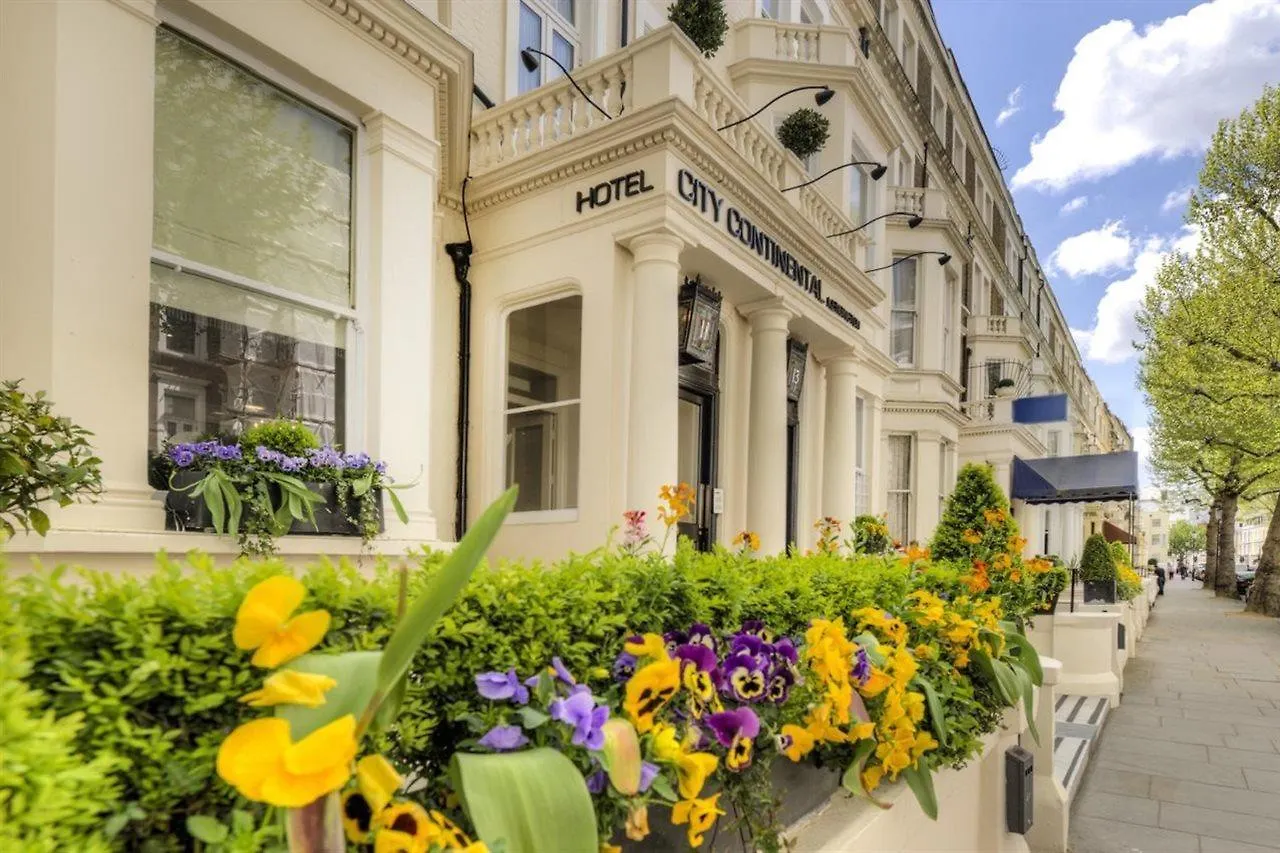
Central London draws travellers who want proximity to its most concentrated cluster of cultural landmarks - from the Natural History Museum to the Royal Albert Hall - without sacrificing the character of their accommodation. Design hotels in this zone tend to occupy converted Victorian townhouses or listed buildings, offering a physical contrast to the chain-hotel blocks that dominate the budget end of the market. This guide breaks down the two standout options in the Kensington and South Kensington corridor: what they actually deliver, where they sit, and how to book smart.
What It Is Like Staying in Central London
Staying in Central London, specifically in the Kensington, Earl's Court, and South Kensington corridor, means you are within a direct Underground connection to virtually every major zone in the city. The District and Piccadilly lines from Earl's Court and South Kensington stations put you at King's Cross, Covent Garden, or Victoria in under 20 minutes. Street-level, the area is quieter than the West End at night, with the residential character of Queensberry Place and Old Brompton Road replacing the noise density of zones like Soho or Oxford Street.
The trade-off is that central here does not mean flat: the Natural History Museum, V&A, and Hyde Park are within walking reach, but around 15 minutes on foot from Earl's Court. Crowd density is manageable outside summer, but peak tourist months bring coach groups to the museum strip daily.
Pros:
- * Direct Underground access to Heathrow Airport via the Piccadilly line from South Kensington, removing the need for expensive airport transfers
- * Noticeably quieter street noise at night compared to West End zones, with residential streets that wind down by 23:00
- * Walking access to three world-class free museums (Natural History, V&A, Science) without needing a taxi or Tube
Cons:
- * Not genuinely walkable to the City of London financial district: budget around 40 minutes via Tube
- * Earl's Court and South Kensington feel geographically removed from the theatre district and major West End nightlife
- * Limited late-night dining options directly on the immediate streets around the hotels
Why Choose Exceptional Design Hotels in Central London
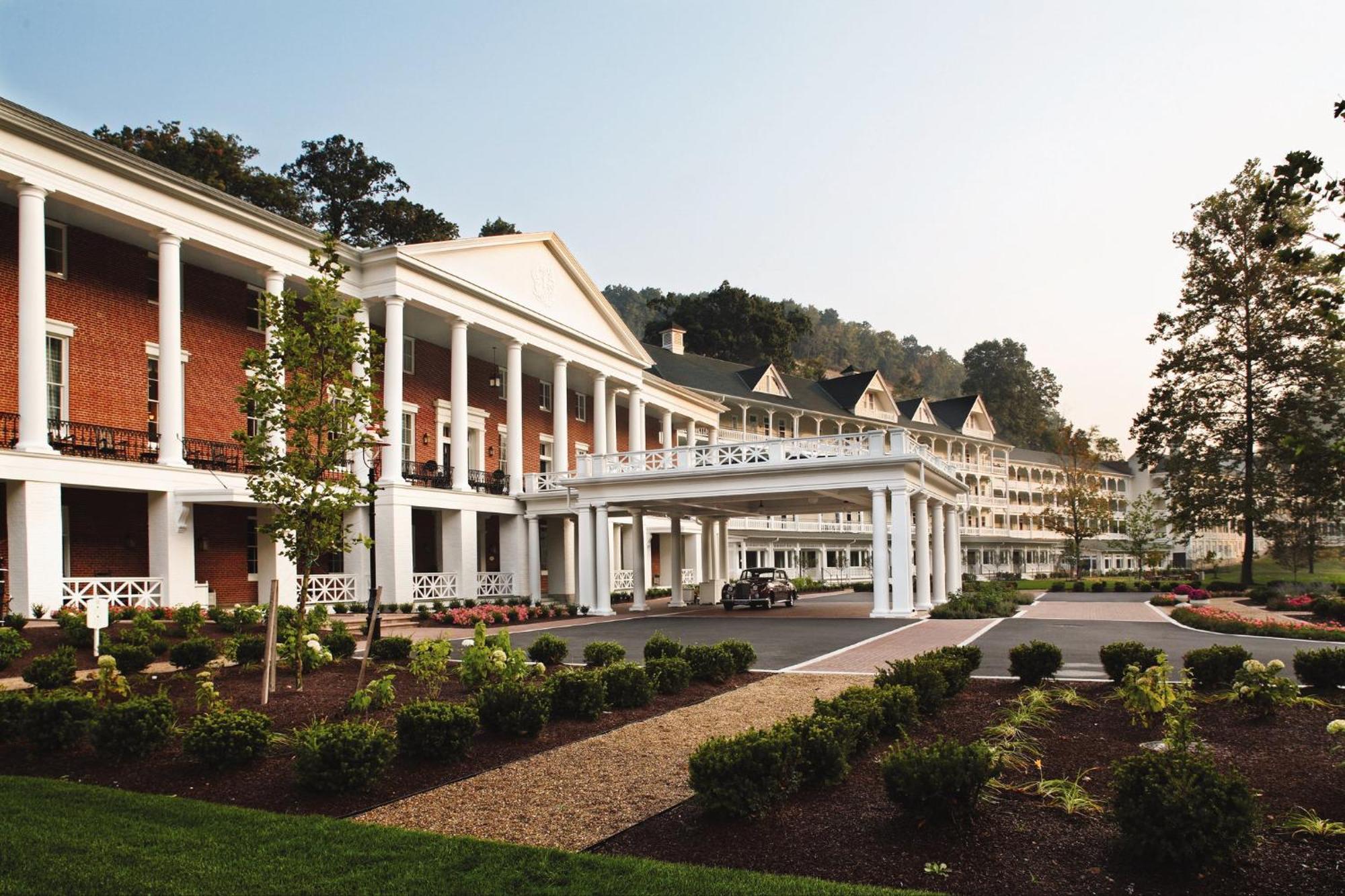
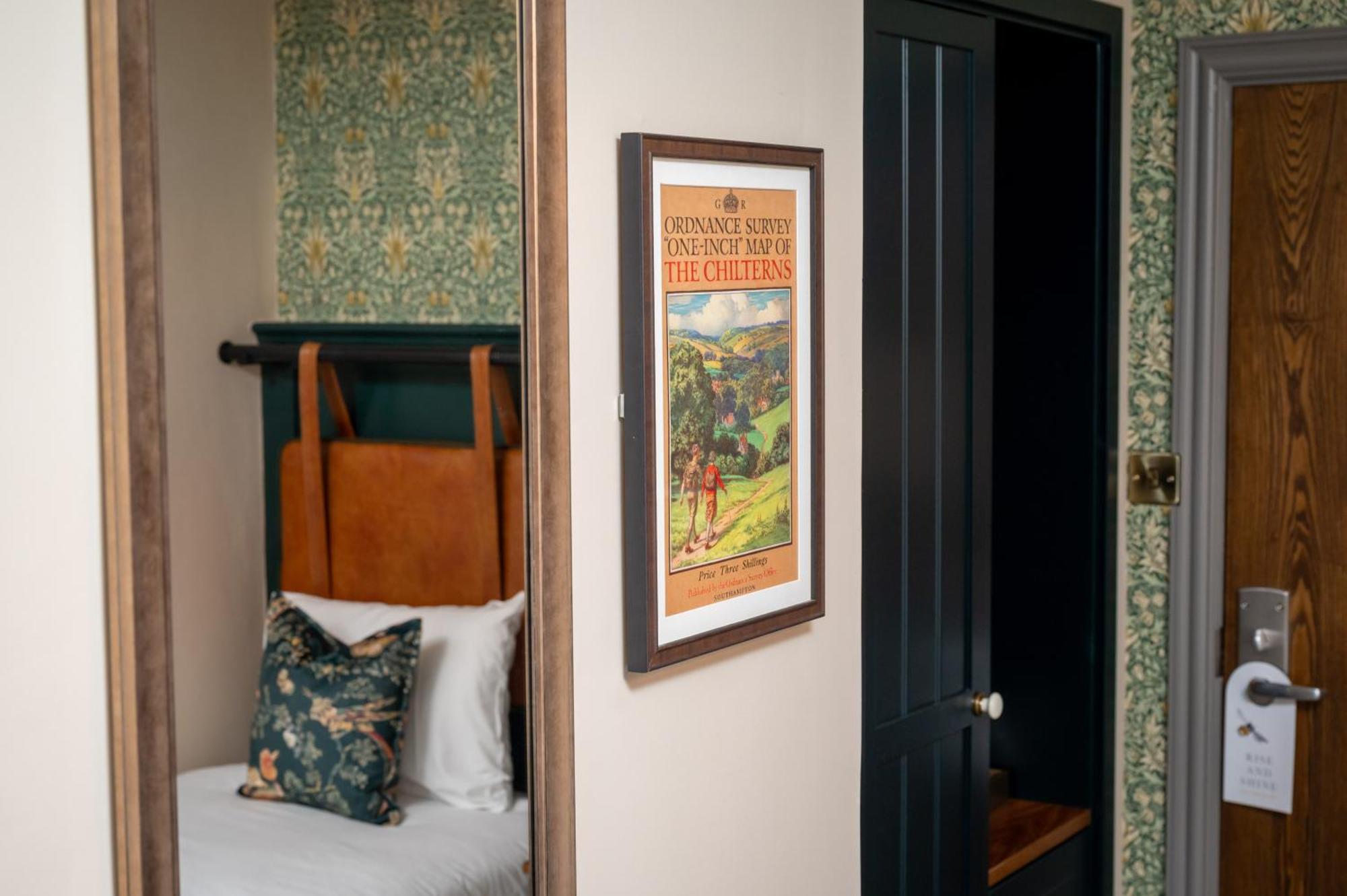
Design hotels in the Kensington corridor occupy a specific niche: they are typically housed in Victorian or Edwardian-era townhouses, which means architectural character is built into the structure rather than applied as a cosmetic layer. Room sizes in converted townhouses vary more than in purpose-built hotels - single and budget double rooms can be compact, while upper-floor or quad rooms often have proportionally more floor space. The trade-off versus a standard chain hotel in the same postcode is that a design-focused property charges a premium, but you gain a sense of place that a uniform branded room cannot replicate.
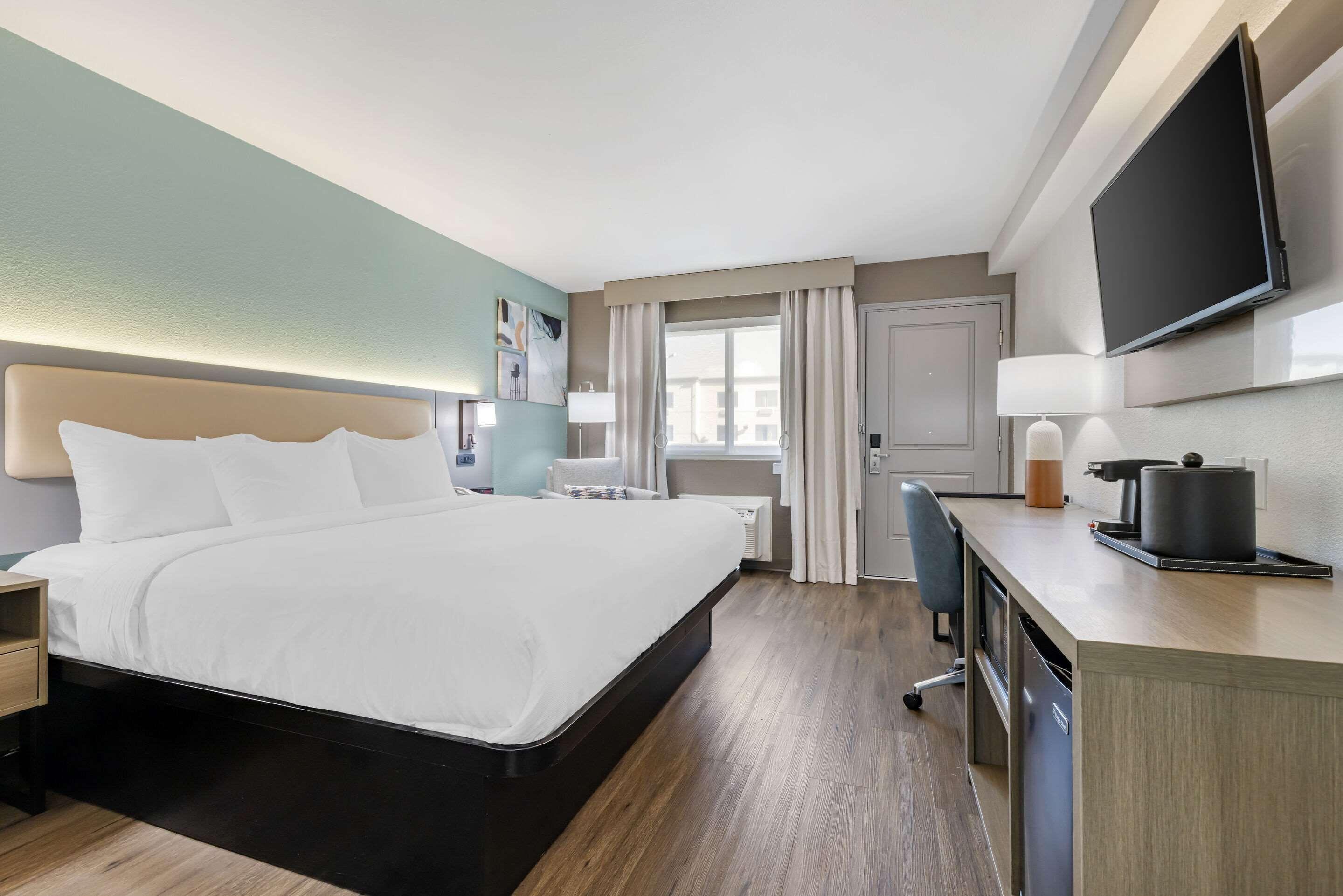
In Central London's SW7 and SW5 postcodes, design hotels typically sit against a backdrop of exclusive shopping corridors - Knightsbridge and King's Road are both within a short taxi or 15-minute walk - making the surrounding area a natural extension of the aesthetic experience. Noise levels are worth factoring in: street-facing rooms in busy postcode areas can pick up traffic from Earl's Court Road, while interior or courtyard-facing rooms remain significantly calmer. Booking a room type with a private bathroom in this category is standard, but facilities like in-room tea and coffee are not guaranteed across all properties.
Pros:
- * Architectural heritage embedded in the property itself: Victorian townhouse bones, natural wood, stone, and period detailing that purpose-built hotels cannot replicate
- * Proximity to Knightsbridge and Kensington's high-end retail makes the surrounding area consistent with an elevated aesthetic experience
- * More distinct room configurations (single, double, triple, quad) than most chain hotels in the same zone, giving group travellers genuine options
Cons:
- * Compact room sizes in budget tiers within converted townhouses mean luggage management can be genuinely difficult in single and standard double rooms
- * In-room amenities like tea and coffee facilities are not always included, a practical gap compared to mid-market chains
- * Street-facing rooms on Earl's Court Road and Queensberry Place can register noticeable daytime traffic noise
Practical Booking and Area Strategy
For the Kensington and South Kensington corridor, street positioning matters more than postcode alone. Queensberry Place (SW7) runs directly between South Kensington Tube station and the Natural History Museum, making it one of the most strategically placed residential streets in Central London for museum-focused visitors. Earl's Court Road (SW5) connects to two Tube lines and sits within a 1-minute walk of Earl's Court station, but the immediate street environment is more commercial and less atmospheric than the South Kensington side. For transport, the District and Piccadilly lines cover most of the city without interchange, and South Kensington station offers a direct Piccadilly line route to Heathrow in around 40 minutes.
The V&A, Natural History Museum, and Science Museum are all free to enter and cluster within a 10-minute walk of South Kensington station, a genuine logistical advantage when planning multi-day itineraries. Harrods on Brompton Road is a 10-minute walk from Queensberry Place, and the Royal Albert Hall is under 1 km away. Book at least 6 weeks ahead for stays between June and August, when Central London design and boutique properties in the SW7 postcode fill rapidly. January and November offer the lowest nightly rates, often with more flexible cancellation terms available from independent properties in this corridor.
Best Value Stay
For travellers prioritising transport access and cost-efficiency in Central London, this option delivers a functional base in a Victorian setting close to Earl's Court station.
-
1. City Continental London Kensington
Show on map


 Check-infrom 15:00 until 23:59Check-outuntil 11:00
Just a few rooms left at the best rate!
from£ 26
Best Premium Stay
For travellers seeking architectural character and a refined residential feel in the South Kensington museum quarter, this four-star property delivers a distinctly curated Central London experience.
-
2. Gainsborough Hotel
Show on map


 Check-infrom 15:00 until 23:59Check-outuntil 12:00
Hurry – almost gone at this price!
from£ 45
Smart Timing and Booking Advice for Central London Design Hotels
Central London's Kensington and South Kensington corridor experiences peak demand between June and August, when international leisure travellers and exhibition visitors at Olympia drive occupancy across the SW5 and SW7 postcodes simultaneously. During these months, nightly rates at design and boutique properties rise sharply, and room type selection narrows quickly: budget single rooms and popular quad configurations are typically gone first. Booking at least 6 weeks in advance for a summer stay is the practical minimum; properties like the Gainsborough on Queensberry Place have limited room inventory, meaning late booking rarely yields preferred room types even at premium rates.
January and November represent the lowest-pressure booking windows in this corridor, with rates dropping noticeably and cancellation policies becoming more flexible at independent properties. Three nights is the practical minimum to make the most of the museum cluster, Hyde Park access, and the Knightsbridge retail strip without feeling rushed. Travellers arriving or departing via Heathrow should note that both hotels in this guide sit on or adjacent to Piccadilly line-connected stations, removing the financial case for airport-area accommodation on either end of a trip.