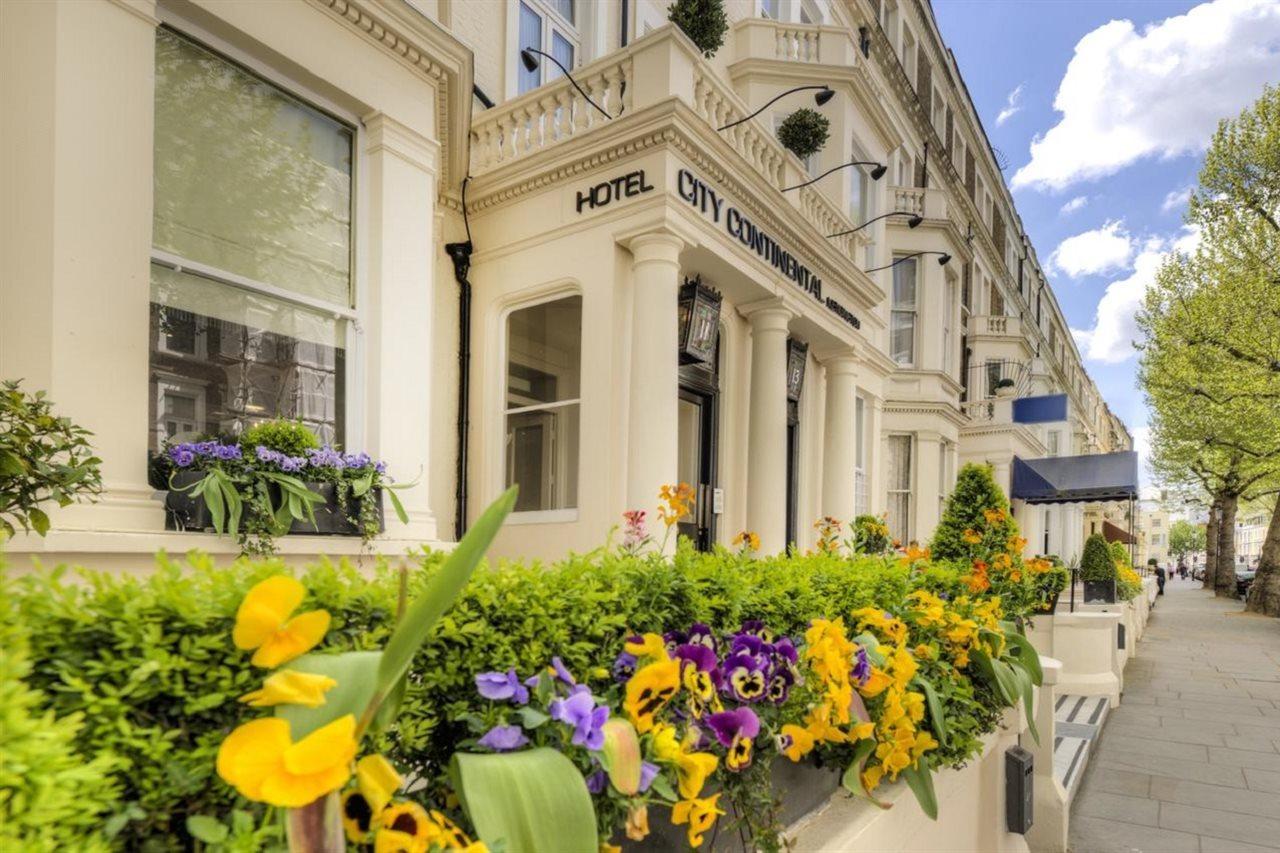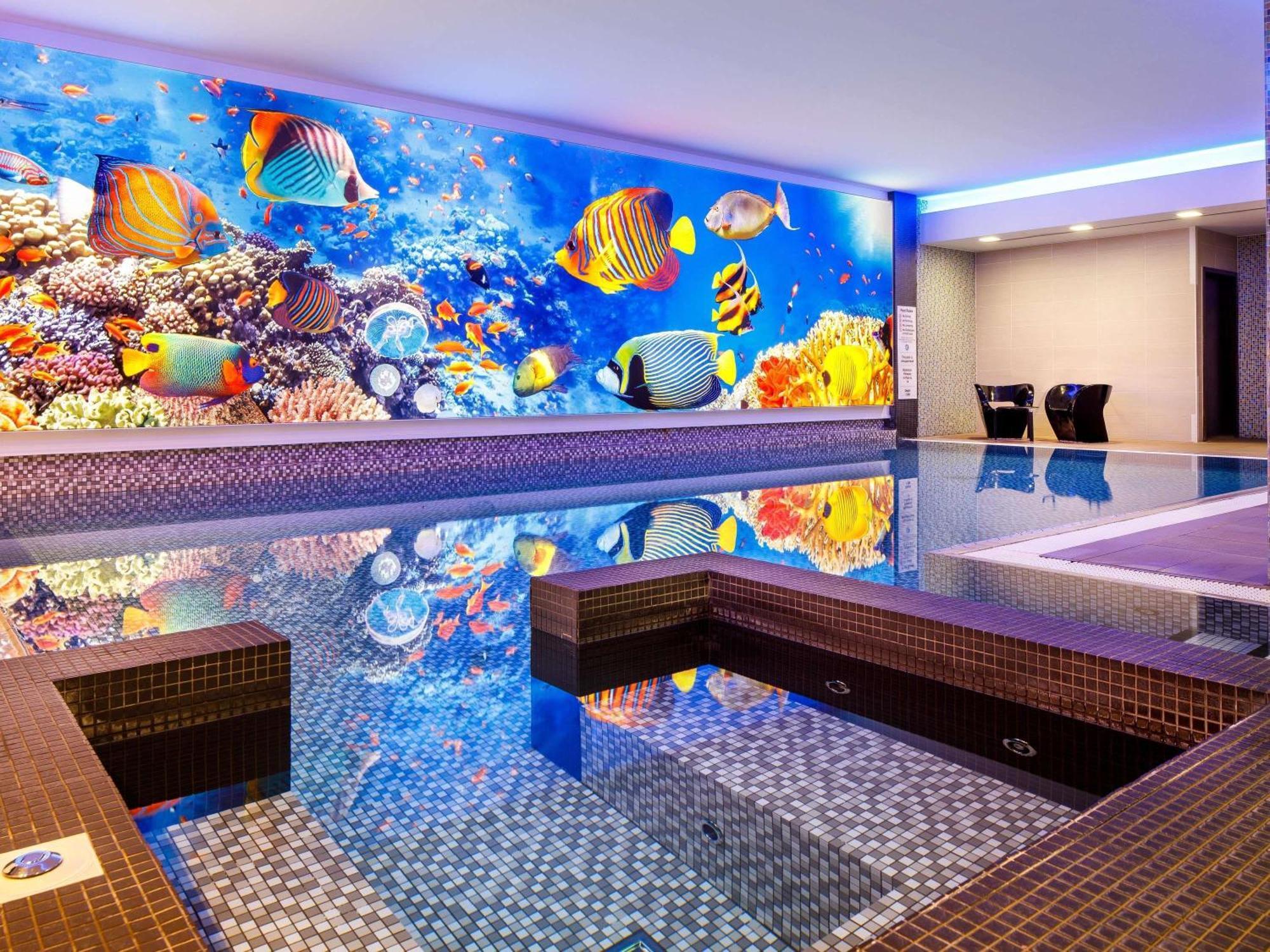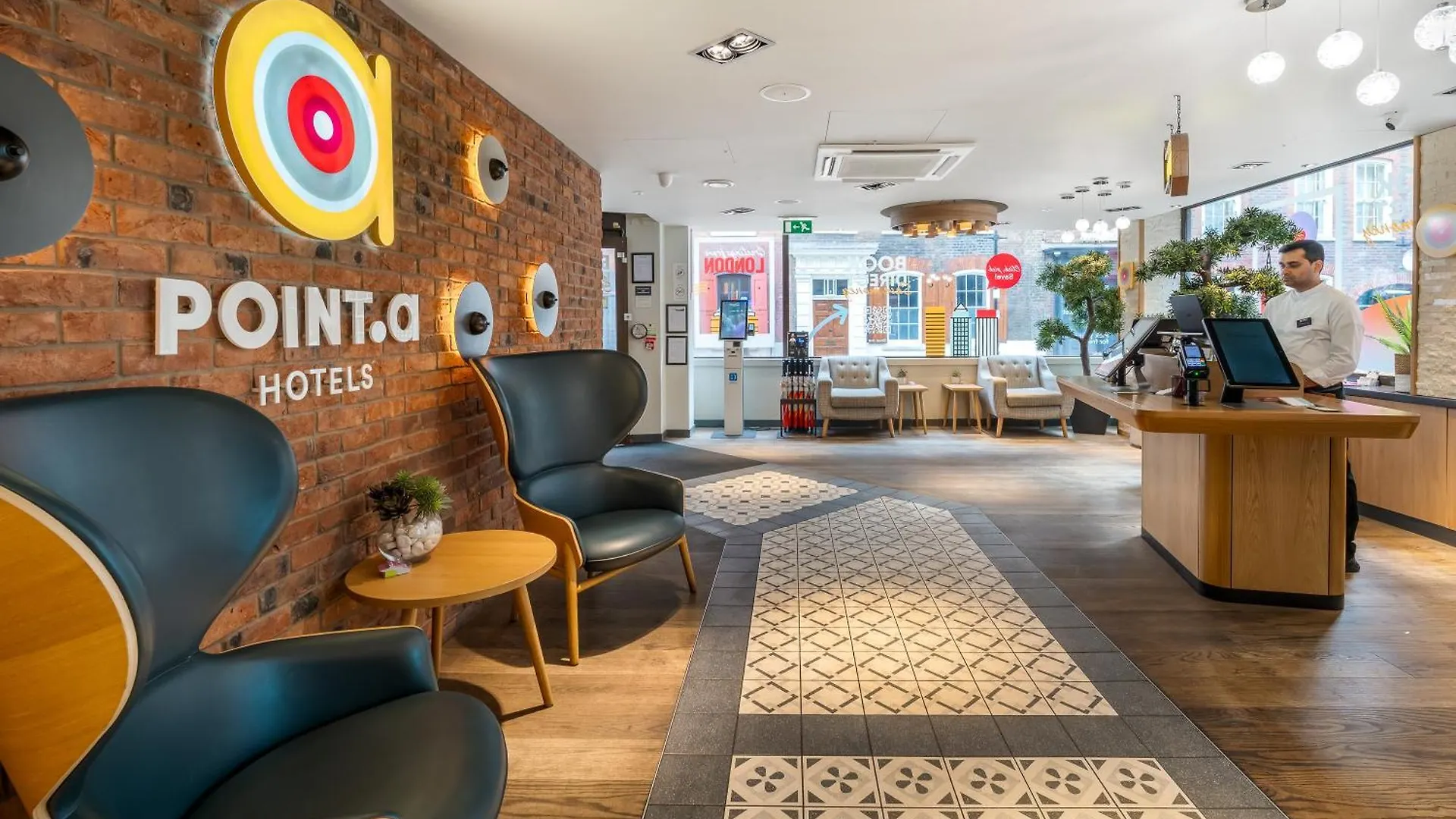
Point A Hotels operate two Central London properties - one beside Liverpool Street Station in the City fringe, one steps from Paddington Station in W2. Both follow the same compact-room, high-location formula that defines the brand: stripped-back amenities, free WiFi, power showers, and a 24-hour front desk, priced well below what comparable central zones typically demand. This guide breaks down exactly what each property delivers, where it falls short, and which fits your trip.
What It's Like Staying in Central London
Staying inside Central London means the Tube, buses, and on-foot access to major landmarks align without planning. Most of the city's headline attractions sit within a 30-minute walk or two stops on the Underground - the Tower of London, St Paul's Cathedral, Covent Garden, and the South Bank are all reachable without a taxi. The trade-off is density: Central London pavements are busy by 8am, hotel prices reflect the postcode, and rooms in this zone are consistently smaller than equivalent-grade properties in zones 2 or 3.
Budget-focused travellers who log high daily step counts and use the hotel only to sleep and recharge benefit the most from a central base. Anyone expecting large rooms, quiet streets, or car-friendly access will find the formula frustrating. The noise floor in the City and around major stations rarely drops below moderate, even late at night.
Pros:
- * Walking distance to major Central London attractions reduces daily transport spend significantly
- * Multiple Tube lines and night buses operate from both Liverpool Street and Paddington, covering the whole network
- * Central hotels are within reach of London's best restaurant and bar clusters without needing a cab home
Cons:
- * Room sizes in Central London hotels are noticeably smaller than outer-zone equivalents at the same price
- * Street noise and station proximity mean light sleepers need to request upper-floor or interior rooms
- * Peak-season hotel rates in Central London spike sharply, reducing the value proposition for flexible travellers
Why Choose a Point A Hotel in Central London
Point A Hotels occupy the gap between budget chains and mid-range city hotels - compact rooms engineered for functionality rather than leisure comfort, at rates that undercut most central-zone competitors. In Central London, where a standard mid-range double can reach well above £150 per night, Point A typically comes in noticeably lower while still offering en-suite bathrooms, air conditioning, flat-screen TVs with streaming, and free high-speed WiFi. The brand's differentiator is location discipline - every property is placed directly beside a major transport hub, which cuts the hidden cost of daily Tube journeys.
The honest trade-off is space. Rooms across both Central London properties are genuinely compact - the windowless basement options at Paddington in particular carry a noise caveat due to station proximity. Guests prioritising room size or a hotel bar will find the formula limiting. But for city-break travellers, solo visitors, or two-person groups moving through London at pace, Point A delivers consistent standards without the usual central-London price premium.
Pros:
- * Free WiFi, air conditioning, and power showers are standard across all room types - no paid upgrades required
- * Station-adjacent locations mean zero wasted time on transfers from hotel to network
- * Laptop safes and bedside sockets (including USB) make both properties genuinely workable for business travellers
Cons:
- * Windowless room options are available at both properties - confirm room type carefully before booking
- * No on-site restaurant; food provision is limited to snack bars and vending machines
- * Rooms are compact by design - not suited to long stays requiring unpacking space or desk-heavy working setups
Practical Booking & Area Strategy
Liverpool Street station sits on the edge of the Square Mile and the Shoreditch/Spitalfields creative quarter - the surrounding streets include Brushfield Street (Spitalfields Market), Brick Lane, and Bishopsgate, putting the hotel within a short walk of both financial-district demand and east London's restaurant scene. Paddington's positioning near Praed Street and Sussex Gardens gives quick access to Hyde Park (around a 10-minute walk north along Lancaster Terrace) and the Heathrow Express from the station itself, making it the logical pick for early-morning or late-night flights. Both properties are under 5 minutes on foot from their respective Tube stations, which is the key metric for Central London hotel positioning. For Central London sightseeing, the Tower of London, Tower Bridge, and Borough Market are all reachable from Liverpool Street within about 20 minutes on foot, while from Paddington, Notting Hill Gate, Oxford Street, and the Portobello Road Market are accessible without switching lines. Book at least 6 weeks ahead for summer travel - Central London hotels at this price point sell out well before peak-season windows open, and last-minute rates rarely reflect the brand's usual value positioning.
Best Value Stays
Both Point A properties in Central London are positioned at the accessible end of the central-zone pricing spectrum, but each serves a distinct geographical logic - Liverpool Street for the City and East London, Paddington for West London and airport access.
-
1. Point A London Liverpool Street
Show on map


 Check-infrom 15:00 until 23:59Check-outuntil 11:00
Just a few rooms left at the best rate!
from£ 24
-
2. Point A Hotel - London Paddington
Show on map


 Check-infrom 15:00 until 23:59Check-outuntil 11:00
Hurry – almost gone at this price!
from£ 70
Smart Travel & Timing Advice
Central London hotel rates follow a predictable seasonal curve: July and August push prices to their annual peak, with demand driven by international tourism and school holidays - booking around 6 weeks ahead at minimum is advisable for summer stays at Point A properties. January and February deliver the lowest nightly rates across the central zone, and both Liverpool Street and Paddington remain fully functional bases in winter - the City district stays active year-round due to financial and corporate traffic, and Paddington's transport links make off-peak arrivals straightforward. The Easter window and the Christmas-to-New-Year period also spike rates significantly and bring heavier street congestion around Westminster, the South Bank, and Oxford Street. For most leisure trips, 3 nights is the practical minimum to cover central London efficiently without feeling rushed - the first day absorbs travel and orientation, leaving two full sightseeing days. Last-minute bookings at these two properties rarely offer savings; the brand's direct-booking discounts and loyalty programme (the A-List) are the more reliable route to below-rack-rate pricing.