Hawaii is one of the most visited family vacation destinations in the United States, drawing millions of visitors annually across its six main islands - Oahu, Maui, the Big Island, Kauai, Molokai, and Lanai. Each island has a distinct character: Oahu offers urban energy and iconic beaches, Maui balances resort infrastructure with natural beauty, and the Big Island delivers volcanic landscapes unlike anywhere else on the planet. For families, the challenge isn't finding something to do - it's choosing the right base and the right type of accommodation to make the most of limited vacation days.
What It's Like Staying in Hawaii with Family
Hawaii operates on island time - but don't mistake that for slow. Inter-island travel requires flights, typically 30 to 60 minutes between islands, and families planning to visit more than one island need to budget for both airfare and hotel flexibility. Traffic in Honolulu and along Maui's resort corridor can be heavy during peak hours, and most attractions outside resort zones require a rental car. That said, Hawaii's year-round warm climate, calm protected bays, and child-friendly beach infrastructure make it one of the most genuinely family-suitable destinations in the Pacific.
Families with young children benefit most from staying directly on or near a beach with calm waters - specifically in areas like Wailea on Maui or the Kohala Coast on the Big Island, where ocean conditions are more predictable than on exposed North Shore beaches. Those seeking a quieter, more immersive experience away from resort strips will find the Big Island's Volcano area or Kona coast deliver that, but with longer drives to amenities.
Pros:
- Year-round warm weather with average temperatures around 80°F makes outdoor planning predictable for families
- Many family hotels include kids' programming, on-site pools, and beachfront access that reduce the need for daily logistics
- Hawaii's diverse island geography means families can choose between urban energy (Waikiki), resort calm (Wailea), and volcanic adventure (Big Island) based on their priorities
Cons:
- Getting between islands requires additional flights and costs, which complicates multi-island itineraries for families on a budget
- Rental cars are almost essential outside Waikiki, adding daily costs and parking complexity at most attractions
- Peak season pricing from mid-December through March and again in summer can push family hotel rates significantly higher than off-season
Why Choose Family-Friendly Hotels in Hawaii
Family-friendly hotels in Hawaii aren't just properties that allow children - the best ones are structured around them. Top family hotels here typically feature multiple pool areas, fully equipped kitchen suites that reduce dining-out costs, and on-site programming that keeps kids engaged while parents decompress. Compared to standard hotel rooms, family suites and apartment-style units in Hawaii are noticeably larger, often including separate living areas, full kitchens, and multiple bathrooms - a meaningful difference when traveling with children across multiple time zones. The trade-off is price: family-configured suites in Wailea or Waikiki can run considerably higher than a standard double room at the same property.
On Maui, family aparthotels near Napili Beach and Kahana offer self-catering layouts that help families control meal costs - a real advantage given that restaurant dining in Hawaii is among the most expensive in the United States. On Oahu, Waikiki's family resort hotels pack in amenities including spas, cultural programming, and beach proximity, though nightly rates reflect the premium location. Across all islands, booking early - at least 8 weeks ahead - is essential for family room configurations, as interconnecting rooms and oceanfront suites sell out faster than standard inventory.
Pros:
- Kitchen-equipped suites available at several properties allow families to self-cater and significantly reduce daily food expenditure
- Beachfront and pool-facing family rooms eliminate the need for daily transport to reach the main activity areas
- On-site amenities like BBQ facilities, playgrounds, and cultural programs keep multi-generational groups engaged without leaving the property
Cons:
- Family-configured suites at premium beachfront properties carry some of the highest nightly rates in the U.S. resort market
- Larger family rooms in high-demand zones book out weeks in advance, limiting flexibility for late planners
- Some family hotels in resort corridors have limited soundproofing between units, which can be disruptive with young children on different sleep schedules
Practical Booking & Area Strategy for Families in Hawaii
Where you stay in Hawaii matters as much as where you stay on the island. On Oahu, Waikiki remains the most logistics-friendly base for families - the beach is steps away, TheBus network covers key attractions, and the concentration of restaurants, shops, and cultural sites means you can operate many days without a car. However, families wanting more space and quieter surroundings often find Kailua-Kona on the Big Island or Kahana on Maui more practical, with calmer bays, lower density, and apartment-style accommodation built for longer stays.
On Maui, the resort corridor between Kahana and Wailea provides beach access, grocery options, and family restaurants within a short drive. Wailea in particular is purpose-built for resort stays, with Wailea Beach, Polo Beach, and Mokapu Beach Park all within walking distance of the main hotel zone. On the Big Island, the Kohala Coast near Mauna Lani offers some of the most sheltered ocean conditions in Hawaii, making it particularly suitable for families with younger children. Volcano Village near Hawaii Volcanoes National Park is a completely different experience - cooler, forested, and suited to families who prioritize nature immersion over beach access. Popular family activities across Hawaii include snorkeling at Molokini Crater, visiting the Pana'ewa Rainforest Zoo near Hilo, hiking lava trails in Hawaii Volcanoes National Park, and taking whale-watching tours off Maui's coast between January and April.
Best Value Family Stays in Hawaii
These properties offer strong family value through self-catering layouts, beachside positioning, or unique natural settings - without the full-service resort price tag. They suit families who prioritize space, kitchen access, and outdoor experience over hotel amenities.
-
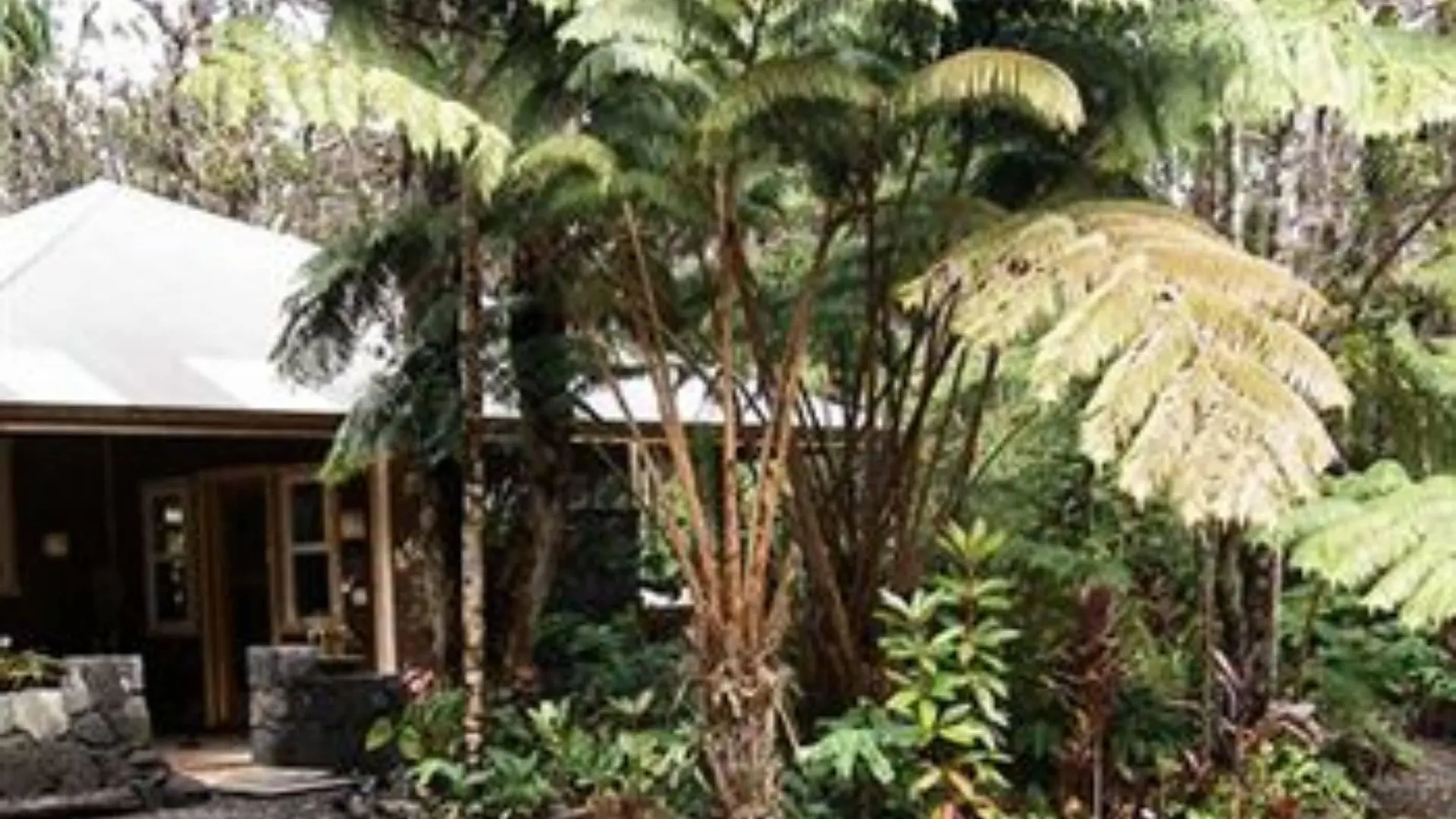
1. Volcano Mist Cottage
Show on map


 Check-infrom 15:00 until 23:00Check-outuntil 11:00
Just a few rooms left at the best rate!
fromUS$ 575
-
2. Hale Maluhia Country Inn
Show on map


 Check-infrom 15:00 until 21:00Check-outfrom 01:00 until 11:00
Just a few rooms left at the best rate!
fromUS$ 306
-
3. Napili Village Hotel
Show on map


 Check-infrom 15:00 until 23:30Check-outuntil 11:00
Just a few rooms left at the best rate!
fromUS$ 205
-
4. Kahana Beach Vacation Club
Show on map


 Check-infrom 16:00 until 23:59Check-outuntil 11:00
Hurry – almost gone at this price!
fromUS$ 154
Best Premium Family Hotels in Hawaii
These properties deliver full-service resort experiences with premium beach access, structured family programming, and amenities that justify higher nightly rates - best suited to families who want everything on-site and are visiting Hawaii for a once-in-a-few-years trip.
-
5. Residence Inn By Marriott Maui Wailea
Show on map


 Check-infrom 16:00 until 23:59Check-outuntil 12:00
Hurry – almost gone at this price!
fromUS$ 399
-
6. Fairmont Orchid Gold Experience
Show on map


 Check-infrom 16:00 until 23:59Check-outuntil 11:00
Rooms filling fast – secure the best rate!
fromUS$ 867
-
7. Hyatt Regency Waikiki Beach Resort & Spa
Show on map


 Check-infrom 15:00 until 23:59Check-outuntil 11:00
Rooms filling fast – secure the best rate!
fromUS$ 219
Smart Timing & Booking Advice for Family Trips to Hawaii
Hawaii has two distinct peak windows that directly affect availability and pricing for family hotels. Mid-December through early January is the busiest and most expensive period, driven by school holidays across the mainland United States - family room configurations at beachfront properties on Maui and Oahu fill entirely during this window, often 10 or more weeks in advance. The summer window from mid-June through August is nearly as competitive, with families capitalizing on school breaks. Shoulder periods in April through May and September through mid-November offer the best combination of lower rates, manageable crowds, and still-reliable weather across all islands.
For families booking the Big Island's Volcano area or Kohala Coast properties, availability pressures are lower than on Maui or Waikiki, but still significant during school breaks. Families targeting Maui's Wailea or Napili zones should book suite configurations at least 8 weeks ahead during any peak window. A stay of at least 5 nights is the minimum that makes intercontinental travel to Hawaii worthwhile for most families - anything shorter compresses the itinerary too heavily given jet lag adjustment for travelers from the U.S. East Coast or Europe. Last-minute deals in Hawaii are rare at family-configured properties; unlike city hotels, resort-zone inventory is absorbed quickly and rarely discounted close to arrival dates.