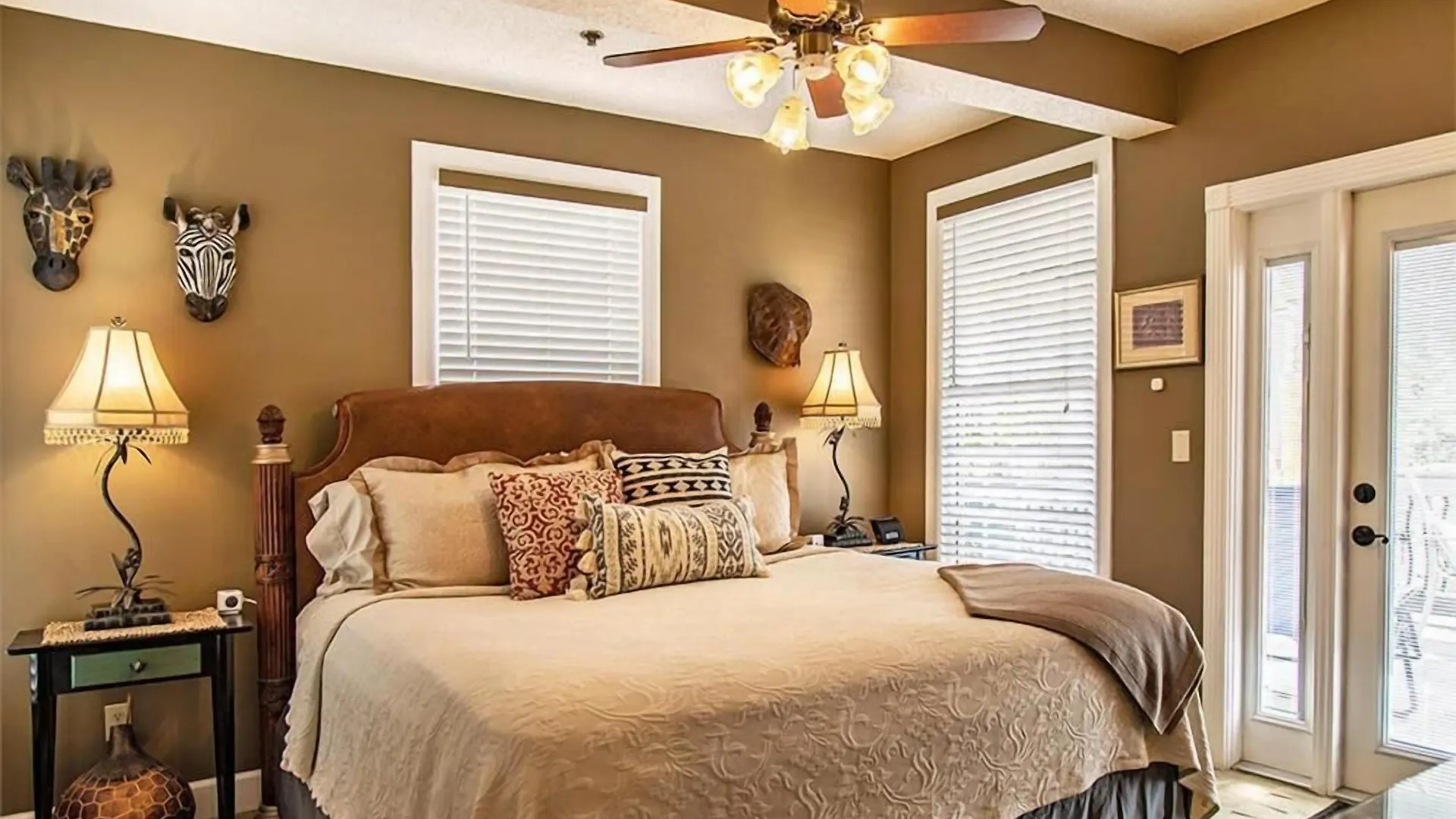
St. Augustine's Historic District is the most walkable and historically dense part of the city, placing guests within steps of the Castillo de San Marcos, St. George Street, and Flagler College. Staying here means trading square footage for access - most 4-star properties in this zone are boutique-scale, occupying restored colonial buildings with rooms that skew smaller than their suburban counterparts. If cobblestone proximity and immersive atmosphere drive your booking decision, this district delivers a stay that larger chain hotels outside the area simply cannot replicate.
What It's Like Staying in St. Augustine's Historic District
The Historic District is compact by design - nearly every major attraction sits within a 15-minute walk from any hotel in the area, making car usage largely unnecessary once you've checked in. St. George Street is pedestrian-only, which keeps foot traffic heavy during the day and creates a lively evening atmosphere, but it also means ambient noise carries easily into nearby rooms after dark. Carriage tours, ghost tour groups, and weekend events regularly move through the core streets, so crowd density peaks noticeably on Friday and Saturday nights year-round.
Travelers who prioritize cultural access and on-foot exploration get the most from this location. Those seeking quiet, resort-style space may find the neighborhood's pace more demanding than expected.
Pros:
- Every major landmark - Castillo de San Marcos, Flagler College, the Colonial Quarter - is reachable on foot without needing transport
- Staying central eliminates car dependency, a real advantage given limited and expensive downtown parking
- The district's walkable layout lets you move between restaurants, museums, and the bayfront in a single afternoon
Cons:
- Street noise from tours and foot traffic is a consistent issue in rooms facing St. George Street or Cathedral Place
- Parking at or near Historic District hotels typically costs extra and fills quickly on weekends
- Room sizes in restored colonial properties are often smaller than standard hotel rooms, with limited storage space
Why Choose 4-Star Hotels in St. Augustine's Historic District
Four-star properties in the Historic District occupy a specific niche: they offer curated, character-driven stays in restored or architecturally significant buildings, typically with breakfast included, boutique-scale service, and amenities like pools or spa access that budget inns in the same zone cannot provide. Rates at 4-star Historic District hotels average around 30% higher than comparable lodging just outside the district, but the positioning eliminates transportation costs and adds cultural immersion that off-site hotels cannot replicate through amenities alone.
Room sizes across this category typically range from intimate B&B-style configurations to full suites with balconies overlooking Spanish colonial streetscapes - a layout exclusive to this part of St. Augustine. The trade-off is that 4-star here means boutique quality and location, not the expansive resort footprint found at 4-star properties along A1A or in the suburbs.
Pros:
- Most 4-star stays in this district include breakfast, reducing daily costs for guests who factor dining into their budget
- Boutique properties often feature period architecture - exposed beams, courtyard gardens, wraparound porches - that standard hotels in St. Augustine lack
- On-site amenities like outdoor pools and spa services are available at select properties without requiring guests to leave the district
Cons:
- Rooms in historic buildings rarely offer modern soundproofing, making street-facing units more susceptible to noise
- Elevator access is limited or absent in most colonial-era structures, which creates access challenges for guests with mobility needs
- Parking is not complimentary at all properties and can add around $20 per night to the total cost of a stay
Practical Booking & Area Strategy for the Historic District
Positioning within the Historic District matters more than most visitors anticipate. Hotels on or directly adjacent to St. George Street offer the most walkable access to dining and retail, but face higher noise exposure. Properties on Charlotte Street or Marine Street sit within the district's quieter residential grid while remaining under a 10-minute walk from the Castillo de San Marcos - a strong balance of access and atmosphere. Flagler College, one of the district's most photographed landmarks, anchors the southern end of the district near King Street, making hotels within a 5-minute walk of it especially well-positioned for sightseeing.
St. Augustine has no metro system, but the Old Town Trolley and Ripley's Red Train operate continuous loops connecting the Historic District to the Lighthouse, Anastasia State Park, and the Fountain of Youth - all of which sit beyond comfortable walking distance. Book at least 6 weeks ahead for spring and fall visits, when the district hosts events like the Celtic Festival and Nights of Lights, driving occupancy rates close to capacity across all 4-star properties. Midweek arrivals in January and February offer the lowest rates and the thinnest crowds, with full access to every attraction at a fraction of peak-season pricing.
Best Value Stays
These properties offer strong Historic District positioning and meaningful amenities - breakfast, pools, or boutique character - at rates that represent the most accessible entry point into 4-star lodging in this part of St. Augustine.
-
1. The Kenwood Inn Oldest Bed And Breakfast, St Augustine Historic District
Show on map


 Check-infrom 16:00 until 23:59Check-outuntil 11:00
Just a few rooms left at the best rate!
fromUS$ 400
-
2. At Journey'S End
Show on map


 Check-infrom 16:00 until 23:30Check-outfrom 01:00 until 10:00
Just a few rooms left at the best rate!
fromUS$ 129
-
3. Inn On Charlotte Boutique Hotel
Show on map


 Check-infrom 14:00 until 22:00Check-outfrom 07:00 until 10:00
Hurry – almost gone at this price!
fromUS$ 474
Best Premium Stays
These properties operate at the upper tier of the Historic District's 4-star offering, combining full-service hotel infrastructure - restaurants, spas, pools - with locations that keep St. Augustine's most visited landmarks within a short walk.
-
4. St George Inn - Saint Augustine
Show on map


 Check-infrom 15:00 until 20:00Check-outfrom 08:00 until 11:00
Hurry – almost gone at this price!
fromUS$ 225
-
5. Casa Monica Resort & Spa, Autograph Collection
Show on map


 Check-infrom 16:00 until 23:59Check-outuntil 11:00
Rooms filling fast – secure the best rate!
fromUS$ 219
Smart Timing & Booking Advice for the Historic District
St. Augustine's Historic District operates on a year-round tourism cycle, but crowd intensity and pricing vary sharply by season. The Nights of Lights festival - running from mid-November through January - draws visitors specifically to the Historic District for the illuminated streetscapes, pushing occupancy across all 4-star properties close to full capacity and elevating nightly rates by around 40% compared to off-peak months. February and early March represent the district's quietest and most affordable window, with full museum access, open restaurant tables, and noticeably thinner tour group density along St. George Street.
Spring break in March and April brings another occupancy spike, particularly around Flagler College, which generates additional foot traffic through the southern end of the district. Summer months are hot and humid, which compresses the comfortable sightseeing window to morning and early evening hours - a logistical reality worth factoring into a stay length decision. Three nights is the practical minimum to cover the Historic District's main attractions without rushing: the Castillo, Flagler College interior tours, the Colonial Quarter, the Lightner Museum, and an evening ghost tour each warrant dedicated time. Book at least 8 weeks ahead for any holiday weekend or festival period; last-minute availability at 4-star properties in this district during peak windows is genuinely limited.