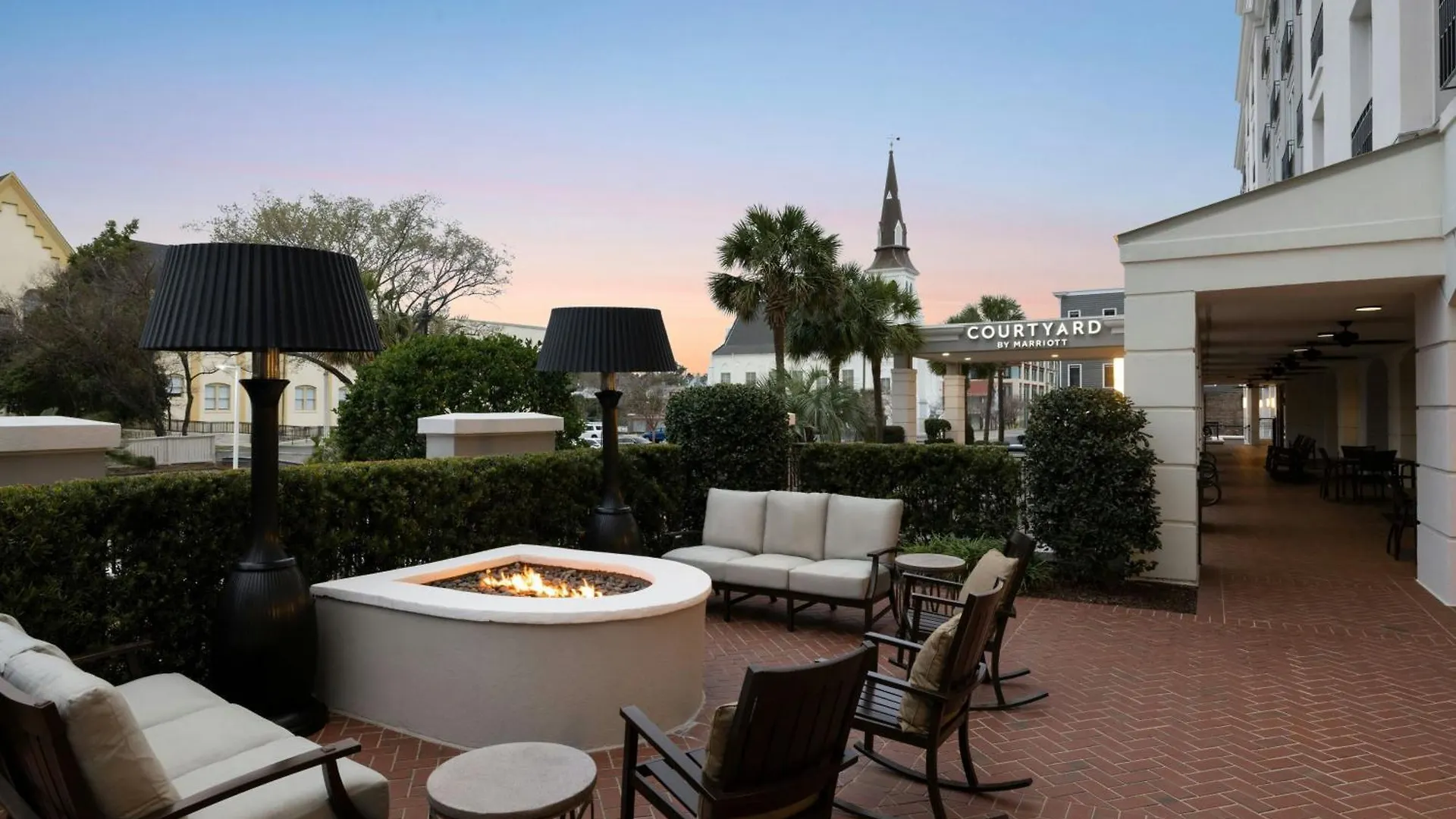
Downtown Charleston is one of the most walkable and historically dense urban cores on the East Coast, which makes your hotel location a real strategic decision. These 5 three-star hotels sit at varying distances from King Street, the City Market, and the waterfront - and each offers a different balance of price, space, and access. This guide breaks down exactly what to expect from each property so you can book with confidence.
What It's Like Staying in Downtown Charleston
Staying in Downtown Charleston means you can walk to the City Market, Rainbow Row, and the majority of King Street restaurants without ever needing a rideshare. The neighborhood is compact enough that most attractions are within a 15-minute walk from a centrally located hotel. That said, street parking is genuinely difficult, and the area sees heavy foot traffic on weekends - especially during spring and fall festival season.
The atmosphere shifts noticeably after 10 PM: the Lower King Street bar corridor stays lively well past midnight, while the blocks closer to Calhoun Street quiet down significantly. Heat and humidity from June through September make long afternoon walks uncomfortable, which affects how much you'll actually use a central location on foot during summer months.
Pros:
- Walking access to the City Market, Rainbow Row, and most historic landmarks without needing a car
- Dense concentration of restaurants, rooftop bars, and boutique shopping on King Street
- Horse-drawn carriage tours, harbor boat trips, and walking tours all depart from within the district
Cons:
- Street noise from Lower King and Market Street corridors can affect light sleepers on weekends
- Hotel rates rise sharply during the Spoleto Festival and Cooper River Bridge Run - booking late costs significantly more
- On-site or nearby parking often comes with a daily fee, adding to total trip cost if you're driving
Why Choose 3-Star Hotels in Downtown Charleston
Three-star hotels in Downtown Charleston occupy a practical middle ground: they sit inside or directly adjacent to the historic district, offer amenities like outdoor pools, free breakfast, and fitness centers, and typically cost less than the boutique inns and four-star properties along South Battery or East Bay Street. You gain location without paying for luxury finishes you may not need for a sightseeing-focused trip. Room sizes at this category tend to be standard rather than generous - expect around 280 square feet for a standard double.
The key trade-off is atmosphere: three-star properties here are operationally efficient rather than architecturally distinctive. You won't get the exposed brick, antique furnishings, or private courtyard experience that Charleston's boutique inns are known for. Noise insulation varies considerably across properties depending on the building's age and street-facing exposure.
Pros:
- On-site pools, included breakfasts, and free WiFi are standard at this tier - amenities that add up in cost at pricier boutique options
- Properties at this level are more likely to have accessible rooms, lifts, and designated parking than smaller inns
- 24-hour front desk service is consistent across this category, which matters for late arrivals after flights into Charleston International
Cons:
- Standard room sizes leave little space to spread out if you're traveling with luggage for a multi-city trip
- The aesthetic is functional rather than Charleston-character-driven - rooms feel more chain hotel than historic city inn
- Destination amenity fees at some properties add a fixed nightly charge on top of the room rate, which isn't always visible at first glance during booking
Practical Booking & Area Strategy for Downtown Charleston
The most strategically positioned stretch for hotels in Downtown Charleston runs along Meeting Street between Calhoun Street and Market Street - from here, the City Market is under a 2-minute walk and the waterfront at Waterfront Park is reachable in around 10 minutes on foot. Hotels closer to WestEdge (near Fishburne Street) offer lower nightly rates and proximity to The Citadel and MUSC, but require a short drive or ride to reach the core historic area. The CARTA bus network connects WestEdge to the historic core, but frequency drops in the evenings.
For the City Market, Rainbow Row, Dock Street Theatre, and the South Carolina Aquarium, a Meeting Street address gives you the tightest on-foot access. Book at least 8 weeks ahead if your dates overlap with Spoleto USA (late May to early June), the Cooper River Bridge Run (April), or any major College of Charleston graduation weekends - rates across all hotel categories climb steeply during these periods. Marion Square, one block from Calhoun Street, hosts a weekly farmers' market and seasonal festivals that make the immediate surrounding blocks busier than they appear off-season.
Best Value Stays
These properties deliver strong location access and essential amenities at rates below the district's boutique average - a practical choice when your priority is being close to the action without paying a premium for historic charm.
-
1. Courtyard By Marriott Charleston Historic District
Show on map


 Check-infrom 16:00 until 23:59Check-outuntil 11:00
Just a few rooms left at the best rate!
fromUS$ 335
-
2. Holiday Inn Express & Suites Charleston Dwtn - Medical Ctr By Ihg
Show on map


 Check-infrom 16:00 until 23:59Check-outuntil 11:00
Just a few rooms left at the best rate!
fromUS$ 144
-
3. Homewood Suites By Hilton Charleston Historic District
Show on map


 Check-infrom 16:00 until 23:59Check-outuntil 11:00
Hurry – almost gone at this price!
fromUS$ 414
Best Premium Picks
These two properties offer stronger positioning within the historic core, more distinctive facilities, or added perks that justify a higher nightly rate for travelers who want more from their Downtown Charleston base.
-
4. Meeting Street Inn
Show on map


 Check-infrom 16:00 until 23:59Check-outfrom 05:00 until 12:00
Hurry – almost gone at this price!
fromUS$ 199
-
5. The Ryder Hotel
Show on map


 Check-infrom 16:00 until 23:59Check-outuntil 11:00
Rooms filling fast – secure the best rate!
fromUS$ 206
Smart Travel Timing for Downtown Charleston Hotels
Downtown Charleston has two distinct demand peaks: spring (March through May) and fall (September through November). Spring is the busiest and most expensive window - the Cooper River Bridge Run in April and Spoleto USA in late May push occupancy across all hotel categories close to capacity, with rates spiking sharply in the weeks surrounding each event. Fall brings the MOJA Arts Festival and Oktoberfest events to the area, maintaining strong demand without reaching spring highs. Summer (June through August) sees lower hotel rates despite high tourist volume, largely because heat and humidity deter the premium traveler segment - this is the most cost-effective window if heat doesn't affect your itinerary. A 3-night stay is the practical minimum to cover the historic district, waterfront, and upper King Street without feeling rushed. Winter (December through February) offers the quietest streets, the lowest prices, and comfortable walking temperatures, making it underrated for travelers who aren't chasing beach weather.